Search Results
157 results for “dog car safety”
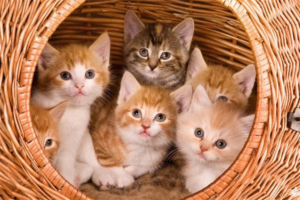
Do Cats Recognize Their Owners?
Cats do recognize their owners, but it takes enough companionship and affection to build security and trust. Though independent, after time together with safety and warmth they will bond. Be patient, spend time with them, and earn their love and trust.

Tips for First-Time Poodle (Teddy) Owners
The Poodle—known as the 'Teddy' in its popular clip—is lively, smart, and devoted, making it a great family pet, but new owners should know the basics. Start deworming at two months and vaccinate a week later; feed balanced, nutritious food since Teddies are picky with sensitive stomachs; and keep the environment clean with basic training, daily outings, and regular health checks.

Should You Microchip Your Pet?
Microchipping your pet is low-cost and safe, greatly improving the odds of a reunion if it is lost and storing medical details for vets. Weigh the benefits against minor privacy and practical concerns before deciding.

Why Are Some Stray Cats Friendly
A cat's personality is shaped by genes and environment. Strays face hardship and stay alert, yet some warm up to people — often because they were treated kindly, were once someone's pet, or are simply born sociable. Treat all strays with care.

How to Stop a Puppy from Barking: 6 Useful Tips
A puppy barks for a reason — separation anxiety, excess energy, fear, excitement, attention-seeking, or discomfort — so the first step is to find the cause. Once you know why, you can act on it: tire the dog out with walks and play, ignore demand-barking until it quiets, build a safe den for insecure pups, and train alone-time for separation anxiety.
A Practical Guide to CoQ10 Supplements for Pets
CoQ10 is a nutrient concentrated in heart-muscle cells that fuels the heart and fights oxidative damage, which is why veterinarians often suggest it alongside cardiac care for aging or at-risk pets. With demand up, product quality varies widely, so owners should judge a supplement on stated content, safe source, credentials, and smart pairings rather than marketing. This guide covers what CoQ10 does, how to pick a quality product, and the dosing and safety points—including who benefits, how much to give, and which drugs it must not be mixed with. CoQ10 supports care; it never replaces prescribed heart medication.

CoQ10 for Pets with Early Heart Enlargement
As cats and dogs age, the heart is often among the first systems to falter, especially in overweight pets and certain breeds with inherited risk. CoQ10, a nutrient that supports heart-muscle energy and protects cells from oxidative stress, is a standard supplement alongside veterinary treatment for heart disease. This guide covers the early signs owners should watch for, why CoQ10 helps, what to look for on a supplement label—real content, independent testing, and proven safety—and how to support heart health day to day. It is nutritional support, not a replacement for prescribed medication.

Choosing a CoQ10 Supplement for Your Pet’s Heart
Pets past about seven years old decline fast, and heart disease is among the highest-risk threats: mitral valve disease and dilated cardiomyopathy in dogs, hypertrophic cardiomyopathy in cats. Early signs—night coughing, panting, purple tongue, exercise intolerance—often mean Stage B2 or C, so the B1–B2 window is the time to act. Alongside prescribed medication, many veterinarians suggest a pet CoQ10 supplement for energy and antioxidant protection. But with crowded shelves, how do you choose? This guide explains what a quality formula should deliver: transparent, well-absorbed dosage; a heart–lung–vessel support blend (rhodiola, krill, astaxanthin, taurine, vitamins, grape powder, folate); palatability and safety for long-term use; and which pets benefit most.

Can Canine Parvovirus Spread to Humans?
Canine parvovirus is a common, highly contagious dog disease that affects canids such as dogs, foxes, and wolves, but it does not infect people directly. Humans can still carry the virus on hands and clothing after touching an infected dog or its waste, spreading it to other dogs, so thorough disinfection matters. Parvo mainly attacks the gut and immune system, causing vomiting, bloody diarrhea, dehydration, fever, and weight loss, and is especially dangerous to puppies. Prevention through vaccination, isolation of sick dogs, prompt veterinary care, and thorough environmental cleaning is the best defense.
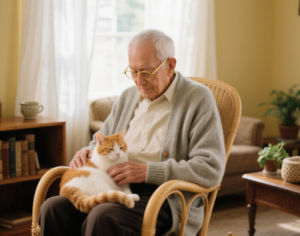
Why Are Cats Raised by Elderly Owners So Calm and Obedient?
Cats kept by elderly owners often seem gentler and more obedient than the lively pets raised by younger people, and the reason is rooted in pet behavior science. Cats love calm, predictable routines, and an older person's slow, regular daily rhythm gives them a sense of safety that lowers their guard. Seniors also provide the 'effective companionship' cats value most—short, low-intensity interactions like petting and soft talk scattered through the day—rather than infrequent marathon play sessions. On top of that, elderly owners tend to be gentle yet consistent: they neither shout nor overindulge, setting clear rules while offering unconditional acceptance. This calm, secure environment lets a cat relax and show its sweetest side.