Search Results
157 results for “dog car safety”

TurkishVan
Turkish Van (details)
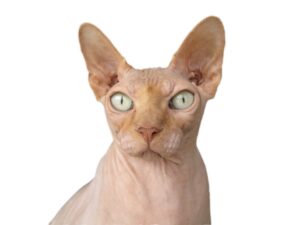
Sphynx
Sphynx (details)

Chartreux
The Chartreux, also called the Chartreux Blue Cat, has the English name Chartreux. Native to France, its history dates to the 14th century. Together with the British Shorthair Blue and the Russian Blue, it is one of the world's three great blue cats. The Chartreux has a long history, recorded in publications as early as 1558.

European Burmese
The European Burmese is an elegant cat, but not a fragile one. It has a well-proportioned build, moderate muscle, and expressive eyes. Because it is very intelligent, affectionate, and loyal, it makes an excellent pet.

Tonkinese
The Tonkinese, also known as the Vietnamese cat, is not from Vietnam but a purebred short-haired breed produced by crossing the Siamese with the Burmese, first appearing in North America in the 1930s. With pointed coloring softer than the Siamese and a short, silky coat like the Burmese, the Tonkinese is famously affectionate, active, and people-oriented.

Ragdoll
Ragdoll (details)

Shih Tzu Rabbit
The Shih Tzu Rabbit is a pet rabbit breed developed in China. It has a small, cute appearance with very long coat and long facial fur, black eyes, and ears that are either upright or lopped. It is not yet recognized by any rabbit association.

Blanc de Hotot Rabbit
The Blanc de Hotot Rabbit comes in large and dwarf forms, both pet breeds known for their pure white coat with black eye-rings and ears—like a panda. Gentle and cute, it needs regular grooming, nail trimming, and a dry, quiet home.

What to Know Before Boarding Your Cat — and Which Cats Shouldn’t Be Boarded
Cat boarding works best when you match the method to your cat's health and temperament. Kittens that are not fully vaccinated, plus pregnant, frail, or easily stressed cats, should not be boarded at all. Bring familiar food, a carrier, vaccine records, and a signed agreement, and choose between a clinic, pet store, home boarder, or in-home visits based on safety and your cat's needs.
A 10-year-old, 5 kg Teddy ate about 60 mg of acetaminophen 20 minutes ago with no obvious symptoms. Is its life in danger?
Acetaminophen poisoning occurs above 200-500 mg/kg and can cause liver failure. While 60 mg is not fatal, a 10-year-old's impaired liver metabolism raises risk at half that dose. Never give human meds; rush to a vet and keep 3% hydrogen peroxide for emergencies.