Search Results
320 results for “dog bored”

How Long Until a Dog with Pyometra Dies?
Pyometra is the most common reproductive disease in dogs, but it is treatable. Open cases show foul discharge; closed cases cause rapid decline. The best fix is spay (ovariohysterectomy); prevent it with spaying and good hygiene. Left to sepsis, a dog can die within a month.
Why does my dog chew its paws?
Dogs usually chew their paws because of pain or itchiness in the toes. Common causes include paw injuries, parasites, fungal or bacterial infections, and allergies. If you notice your dog chewing its paws, check carefully for hair loss, redness, or ulcers, and seek targeted treatment.

Why does a dog bite its own tail?
A dog may bite its tail due to parasite, fungal or bacterial infections, injury, or vitamin and mineral deficiencies. Sometimes it is simply boredom and harmless play.
Why do dogs like to dig holes?
Digging is an instinct from wild canids that dug dens or hid from predators, and dogs inherit it. It also releases energy; a dog with no outlet may dig to burn off energy, or dig out of boredom for fun.
My dog is panting too heavily
Constant heavy panting can come from heat, anxiety, heart or lung disease, overexertion, or other illness. Seek care if it persists or comes with other signs.
How Long to Treat a Dog’s Pulmonary Emphysema?
With timely treatment, pulmonary emphysema generally cures in 7 to 14 days. Pulmonary edema is far deadlier, with a 3 to 7 day danger period and death in 1 to 3 days if untreated.
What happens if a dog is kept locked up?
Long confinement harms a dog's body and mind: little exercise causes muscle loss and obesity, poor air and light weaken immunity and vision, and isolation breeds anxiety and bad behavior.

How to Tell If Your Dog Is Happy
Every owner wants a happy pet. A dog's happiness shows clearly and is easy to spot. This article details the signs of a happy dog and how to boost its happiness.
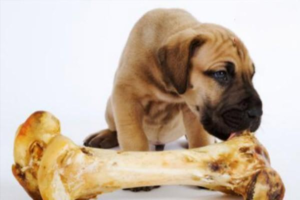
Should Dogs Eat Bones? How to Do It Safely
Vets often warn against bones because they are hard to digest and can block the gut, yet they also clean teeth, calm boredom, and add calcium. If you do give them, choose raw, large, non-hollow bones and avoid cooked poultry bones that splinter; cartilage, pressure-cooked bones, fish heads, necks, tails, frames, and pork fans are safer picks.

How Many Meals a Day Should a Dog Eat by Age
Feed by age: puppies need four small meals a day, tapering as they grow; adults do best with two meals for better digestion and weight control; seniors (7+ for small and medium breeds, 5+ for large) need at least two, or three to four if frail. Keep the bowl from overflowing to avoid guarding, bloat, and obesity.