Search Results
32 results for “dog bloat”
Why Does Your Dog Fart So Much?
All mammals pass gas - it is normal. But frequent, smelly farts can signal declining health. Seven common causes: overeating treats or cold drinks causing indigestion; too little exercise slowing the gut; eating too fast swallowing air; abrupt diet changes upsetting gut bacteria; excess meat protein fermented into amines (the real stink source); gas-producing foods like ginger, garlic, sweet potato and potato; and poor constitution where fermentation finishes too fast. Most are fixed by portion control, exercise, slow feeding and gradual diet changes.
Symptoms and Treatment of Fatty Liver in Dogs
Canine fatty liver is the build-up of fat in the liver from disrupted sugar and fat metabolism, showing as excess body fat, poor digestion, and easy fatigue. Causes are primary, from high-fat diet, low protein, starvation, or little exercise, or secondary, from hepatitis, diabetes, and other chronic disease. Signs include low spirit, poor appetite, occasional vomiting, and an enlarged liver. Diagnosis uses blood, biochemistry, and imaging; treatment is medicine plus a changed diet, regular meals, and exercise.
Key Things to Know About Dog Deworming
Parasites split into external (fleas, lice, ticks, mites) and internal (coccidia, tapeworm, roundworm, hookworm, giardia). Suspect worms if: scratching and scooting rise; black specks on the coat; a non-pregnant dog with a swollen belly but thin frame and bigger appetite (heavy load); cough, fast breathing, low energy, or sleepiness without other illness; or worms in the stool (bring a sample to the vet). Start around 1 month old (mothers pass parasites on). Frequency: puppies internal every 3 months, external monthly; adults every 6 months. Dose by weight/age per label or vet; give 3 hours after meals (mild gut irritation). Vaccines aren't dewormers—wait 7 days post-vaccine. No single drug kills all types, so target the parasite with your vet; keep the environment clean.

How Many Meals a Day Should Your Dog Eat, and How Much?
Feeding rhythm matters as much as the food itself. Puppies under a year need four down to three small meals a day to fuel growth without overloading the gut; adults do well on two; seniors return to three. Adjust for obesity, high activity, or sensitive stomachs. Portion size follows the bag's guide, then fine-tunes with stool quality, body size, and exercise. Match the plan to the dog, and you've got it right.
Why Does Dog Poop Start Dry Then Turn Loose?
When a dog's stool is dry at the start and loose at the end, it means the gut absorbed water unevenly: the first part sat long and dried out, while the last part moved through too fast to dry. Common, mild causes are diet change, holding stool too long, stress, or gut-flora imbalance. Persistent cases or those with blood, vomiting, or pain can signal megacolon, colitis, or other illness and need a vet.
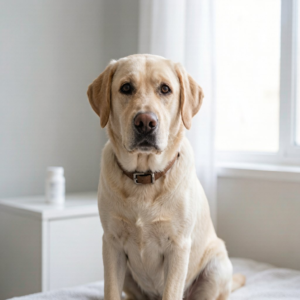
How Is Dog Intestinal Obstruction Treated?
Intestinal obstruction splits into complete and partial forms; complete blockage is more dangerous, risking gut death, perforation, and shock, while partial cases start mild but can become complete if ignored, so treat early either way. Diagnosis uses abdominal X-ray or ultrasound to see gas, fluid, and the object. Treatment usually means surgery to remove the blockage, with partial or stable cases sometimes starting on fluids and support first; tumors or severe damage may require removing part of the bowel. Most dogs recover with prompt care, but delay can be fatal.
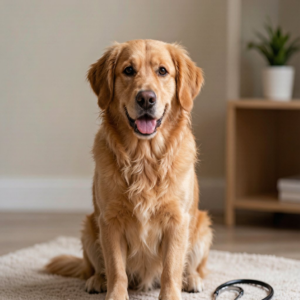
What Causes Sepsis in Dogs and How Is It Treated?
Dog sepsis happens when bacteria such as Staphylococcus, Streptococcus, or E. coli multiply in the blood and release toxins, causing body-wide infection. Large skin wounds, bacterial diarrhea, purulent peritonitis, or open fractures can all trigger it. Early signs include fever, lost appetite, vomiting, diarrhea, weakness, rapid breathing, dilated pupils, and abnormal heartbeat. The sooner treatment starts, the better the odds, so see a vet at once if these appear. Treatment uses culture-guided antibiotics, nutritional support, symptomatic care, and restoring acid-base balance.
Atropine-Class Drug Poisoning in Dogs and Cats
Atropine-class (antimuscarinic) drugs used as spasmolytics or eye drops can poison pets through overdose, causing dry mouth, excitement, dilated pupils, gut stasis and, severely, coma and breathing failure. A muscarinic agonist antidote reverses it.

Lactose Intolerance in Dogs and Cats
Lactose intolerance in dogs and cats is the inability to digest lactose in milk and dairy products because of low lactase activity in the intestinal lining. It causes osmotic diarrhea, abdominal discomfort, and a gurgling abdomen after dairy is consumed, and resolves simply by removing dairy from the diet.
Gastric Dilatation-Volvulus (GDV) in Dogs and Cats: Symptoms, Treatment, and Prevention
Gastric dilatation-volvulus is a life-threatening bloating and twisting of the stomach in dogs and cats, causing sudden abdominal swelling, retching, and distress. It is an emergency requiring immediate decompression and surgery.
- « Previous
- 1
- 2
- 3
- 4
- Next »