Search Results
30 results for “dog bloat”

Dog Bloating and Loss of Appetite
Bloating refers to the symptom of a dog's stomach and intestines swelling due to excessive gas production. Flatulence generally refers to the process of expelling excess gas from the body. Gas from flatulence is mainly expelled through the anus.
Dog Is Bloated but Not Defecating — What to Do
A dog with a swollen belly that will not pass stool is usually constipated, but the underlying reason matters: it could be simple indigestion, a bowel blocked by a swallowed object, too little exercise, or a painful condition that makes the dog hold back. Matching the cause to the fix prevents a minor issue from becoming an emergency. This guide lists the common causes and the practical steps—water, probiotics, exercise, and portion control—that get things moving again.
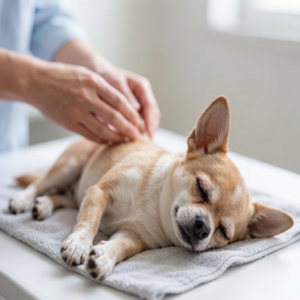
How to Quickly Relieve Dog Indigestion (Food Bloat)
Dog indigestion, or food bloat, is a common digestive problem that can bring vomiting, diarrhea, and lost appetite. A pet probiotic aids digestion and nutrient uptake, while small frequent meals prevent overeating. Avoid greasy, spicy, or hard foods and too much meat; choose light, easy-to-digest meals. Gently massage the abdomen to help movement and ease bloating. If severe bloat brings abdominal swelling, vomiting, breathing trouble, or diarrhea, seek veterinary care at once, as it can lead to gastroenteritis.
Dog Food Bloat: Symptoms and What to Do
Food bloat is a digestive backup where swallowed food cannot pass normally, causing vomiting, refusal to eat, and a swollen belly. It often follows fast or excessive eating, indigestible food, or swallowed objects. Mild cases may improve with pet probiotics, gentle abdominal massage, and rest. Severe bloat with pain or persistent vomiting needs urgent veterinary care, sometimes surgery. Preventing overeating and using slow-feeders is the best defense.
After the Swim: Preventing Ear Infections, Skin Trouble, and Tummy Upsets in Dogs
Swimming is a great low-impact workout that cools dogs off and supports their joints—but skipping the clean-up afterward can lead to three common problems: ear infections, skin irritation, and digestive upset. A dog’s L-shaped ear canal traps water that shaking alone won’t fully remove, creating a warm, moist space where yeast and bacteria thrive. Thick or double coats that aren’t fully dried breed the same trouble on the skin. And a cold abdomen plus post-swim air conditioning or ice water can upset a sensitive gut. The fix is simple: clean and dry the ears, blow-dry the coat layer by layer (especially armpits, belly, and paw folds), and let the dog rest before any AC, cold water, or rough play—offering a probiotic if its stomach is delicate.
Causes and Treatment of Gastric Torsion in Dogs
Gastric torsion, or bloat, is a dangerous emergency seen most in large breeds like German Shepherds and Great Danes, though any dog can be at risk, and it can be fatal without fast treatment. It often starts with overeating or eating too fast, which inflates the stomach; if the dog then exercises vigorously, the full stomach can twist. Swallowing excess air while eating and factors like age, genetics, odd gut anatomy, and changes in abdominal pressure also contribute. Watch for vomiting, a swollen belly, trouble eating, and a hunched back, and rush to a vet at once; keep the dog calm while you get help. Treatment is usually surgery to untwist the stomach and repair the wall, which is stable and rarely recurs, with medication, fluids, and shock care for milder cases. Prevention matters most: feed several small meals instead of one large one, use a slow feeder for fast eaters, and avoid hard exercise right after eating.

Can Dogs Eat Ice Cream?
Dogs can technically eat a tiny bit of plain ice cream, but it's rarely a good idea. Most adult dogs are lactose intolerant, so the milk sugar ferments in the gut and causes diarrhea and vomiting; the cold shock also cramps the stomach. Ice cream is also high in sugar and fat, and any variety containing xylitol, chocolate, cocoa, or grapes is toxic. If your dog loves frozen treats, offer a homemade mix of unsweetened yogurt with pumpkin or banana, or a pet-store dog ice cream—in strict moderation, once or twice a week at most.
Why Is Your Dog Vomiting
Vomiting is one of the most common signs in dogs and can point to many conditions, from a harmless upset to a blockage. Repeated or severe vomiting causes dehydration and electrolyte loss and can be life-threatening, while long-term vomiting harms growth and health. Knowing the common triggers helps you decide when to call the vet.
Why Does Your Dog Fart So Much?
All mammals pass gas - it is normal. But frequent, smelly farts can signal declining health. Seven common causes: overeating treats or cold drinks causing indigestion; too little exercise slowing the gut; eating too fast swallowing air; abrupt diet changes upsetting gut bacteria; excess meat protein fermented into amines (the real stink source); gas-producing foods like ginger, garlic, sweet potato and potato; and poor constitution where fermentation finishes too fast. Most are fixed by portion control, exercise, slow feeding and gradual diet changes.
Symptoms and Treatment of Fatty Liver in Dogs
Canine fatty liver is the build-up of fat in the liver from disrupted sugar and fat metabolism, showing as excess body fat, poor digestion, and easy fatigue. Causes are primary, from high-fat diet, low protein, starvation, or little exercise, or secondary, from hepatitis, diabetes, and other chronic disease. Signs include low spirit, poor appetite, occasional vomiting, and an enlarged liver. Diagnosis uses blood, biochemistry, and imaging; treatment is medicine plus a changed diet, regular meals, and exercise.