Search Results
116 results for “dog bad food diarrhea”
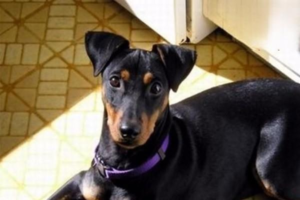
What to Do When a Dog Eats Bad Food and Gets Diarrhea
Many dogs are greedy; if the owner is not careful, the dog will eat random things and accidentally eat bad food. Generally, causes of a dog eating bad food include unclean diet, irregular diet, or overeating and indigestion, and in severe cases enteritis. The owner should first see which cause triggered the diarrhea, then take corresponding measures.
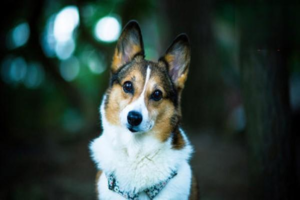
Why Your Dog Won’t Eat and Is Vomiting
Poor appetite with vomiting often traces to a chill, overeating, spoiled or cold food, frequent food switches, or gut disease. Keep probiotics on hand to rebalance the gut, and build steady eating habits; see a vet if it repeats.

What to Give a Puppy with Diarrhea
For diarrhea, first fix appetite (electrolytes if refusing food), then fast-and-observe with water; a bland cause often clears by next day. Rule out weather and gut disease with pet probiotics, and only fear parvo or distemper if fever, depression, and bloody stool appear — then rush to a vet.

Cooling Ingredients for Dogs with Summer Acne and Bad Breath
Hot weather can leave a dog with bad breath, rashes, or pimples, signs of internal "heat." Cooling foods like luffa, mung bean, barley, and kelp help clear it, though cold-natured ingredients can loosen stools or chill the body, so serve them with the regular diet and check with a vet if unsure.

How to Prevent Recurring Gastroenteritis in Dogs
Recurring dog gastroenteritis comes from primary causes (bad food, drug reactions, irregular feeding) or secondary ones (internal parasites and viruses like distemper, coronavirus, and parvovirus). Prevention centers on keeping trash away, noting food allergies, small frequent meals with a gradual 7-day food switch, timely vaccination, and regular deworming (monthly for raw-meat diets).

Is a Dog Cold the Same as Distemper?
A dog cold and canine distemper are not the same, even though they look alike — distemper is a highly contagious, often fatal viral disease, while a cold is a mild chill that clears easily. Tell them apart by the pattern (distemper brings a recurring fever and worsening discharge), and with any cold-like signs get a distemper and parvo test, since puppies are especially vulnerable. Prevention rests on vaccination, a draft-free bed, and avoiding stray dogs.
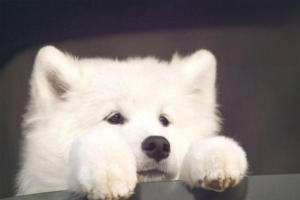
Why Dogs Vomit Yellow Fluid and How to Treat It
Vomiting yellow fluid is usually tied to diet or gastrointestinal disease, and the underlying cause is revealed by the dog's body condition, feeding routine, and what the vomit looks like. Once you rule out a gastric foreign body or viral infection, most cases from gastritis or gastroenteritis improve with short-term fasting, antiemetics, and gut support.
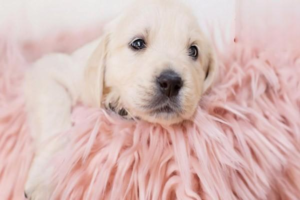
Why Does My Dog Get Diarrhea After a Food Change?
Diarrhea after switching food usually means the change was too abrupt, not that the new food is bad — a dog's gut adapts poorly to sudden new ingredients. Stop the new food, return to the old diet with probiotics until stools firm up, then transition over seven days by mixing in gradually larger shares of the new food.
Why Does My Dog’s Poop Smell So Bad?
Dog stool is naturally a little smelly, but truly foul poop signals a digestive problem — rich or messy food, weak gut function, constipation, spoiled food, or even parvovirus or coronavirus. First simplify the diet and check the kibble for spoilage, then add water, exercise, and probiotics; if appetite, vomiting, or lethargy appear, see a vet.

Is a Dog Drooling Mucus a Sign of Distemper?
Is dog drooling mucus a sign of distemper? Many owners fear distemper when they see mucus from the mouth, but is it 100% certain? Actually no - drooling is only one symptom of distemper. Owners can check for other distemper signs or do a distemper test strip before judging. Many other things cause drooling: oral inflammation, stomach discomfort, and teething puppies all drool; judge by the symptoms.