Search Results
371 results for “doe recovery”
A raised lump on my cat’s belly with no hair around it; is it ringworm or something?
A red, moist bump on the belly is often bacterial superficial pyoderma or eczema. A skin scraping confirms it; keep the cat from licking and clean and disinfect the area.
How long after deworming can a dog go outside?
Deworming generally does not affect outings, but if internal deworming causes vomiting worms or discomfort, wait until recovery. Internal medication can upset the stomach, causing vomiting or diarrhea that usually passes quickly; probiotics help. For external deworming, go out once the medication is dry.
How long for an angelfish to regrow lost scales?
An angelfish regrows scales in 2 to 3 months if no infection sets in. Growing fish recover faster; the pattern may differ slightly.
How Long Can a Dog with Toxoplasmosis Live?
With active treatment, canine toxoplasmosis is curable and does not shorten lifespan. Diagnosis uses a blood test strip, and sulfa drugs treat it. Avoid raw meat after recovery to prevent reinfection.
Is My Cat’s Skin Scabbing a Sign of Improvement?
Scabbing does not mean recovery; redness, scabs, scales, and itching indicate active infection or drug irritation. Improvement shows regrowing hair and no redness.
How long can a dog with a ruptured bladder survive?
A ruptured bladder is survivable with immediate surgery and abdominal flushing. Delay is quickly fatal; control infection to ensure recovery.
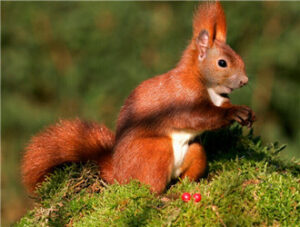
European Red Squirrel
The European Red Squirrel is native to Europe and mainly found in Britain. This charming small animal faces the danger of extinction; without protective measures it may disappear from the planet in the near future.

How to Treat a Soft Turtle Shell
A soft turtle shell is usually caused by calcium or vitamin deficiency, lack of sunlight, or prolonged soaking. Correct it by adding calcium powder or small shrimp to the diet, supplementing vitamins, and giving the turtle regular sun exposure — but expect slow recovery of 4–6 months.

Grasses and Plants Rabbits Must Not Eat
Not every grass suits a rabbit; many wild plants are toxic and can kill. Always avoid groundsel, potato and tomato vines, larkspur, castor bean, aconite, belladonna, datura, water hemlock, and others; some are toxic only when flowering, sprouting, or to lactating does. Safe staples are alfalfa (young and nursing), timothy, and Bermuda grass.

Rabbit Mycotoxin Poisoning: Symptoms and Control
Mycotoxin poisoning in rabbits comes from moldy feed, peaks in hot humid summer, and hits lactating does hardest with no contagion and poor drug response. Acute signs are appetite loss, irregular stools, staggering, and death in 2 to 4 days. Prevent it with strict feed storage and anti-mold additives, and treat by stopping the moldy feed and giving glucose, vitamins, and antifungal drugs.