Search Results
476 results for “doe rabbit”

Signs of Pregnancy in Rabbits
Pregnant rabbits often grow quieter and lazier, eat and drink more, gain weight, and may turn protective or irritable; around days 10 to 15 they start nesting by digging, chewing, and gathering bedding. In the final stretch the mammary glands enlarge with pink areolae, and a vet can confirm pregnancy by ultrasound or palpation. House the doe calmly with enough space, and separate her from other rabbits to avoid fights.
How do you keep a newborn rabbit alive?
Mother's milk is best; if she's low, foster to another doe (after rubbing her scent on the kit) or use rabbit milk replacer.
Is Your Rabbit’s Red Urine Always Blood?
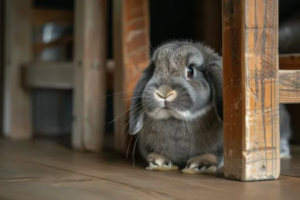
Red urine in a rabbit is not always blood. Eating pigmented foods like carrot or beet can tint it light red or orange with normal behavior, and some medicines such as vitamin C or iron can do the same. True bleeding comes from a urinary infection or stones, giving a dark red or brown color along with straining, frequent urination, or low output, which needs a veterinarian. Prevent problems with a balanced diet, plenty of water, a clean cage, and regular checks of the urine.
What to Do If Your Rabbit’s Fur Turns Yellow
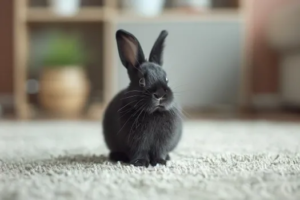
Yellow fur in rabbits can signal poor nutrition, too little sunlight, skipped grooming, illness, or simply urine staining. Because the cause varies, judge by the situation. Feed a balanced diet of fresh grass, vegetables, and quality pellets; give a few hours of gentle outdoor sun (avoid midday heat); brush regularly with a soft comb and use a rabbit-safe shampoo only when needed; and keep the cage clean and dry so urine doesn't stain. If yellowing comes with other symptoms, see a vet for parasites or infection. With diet, light, grooming, and checkups, the coat can recover its healthy shine.
Do rabbits bond with their owners?
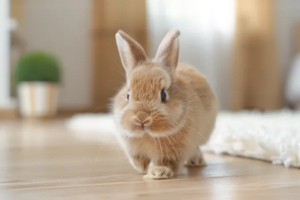
Yes - over time a well-cared-for rabbit feels safe and may actively nuzzle the owner's hand. But rabbits are not very smart, so a change of owner won't sadden them like a dog or cat.

What to Do When a Rabbit Gets Hyper at Night
A rabbit that turns energetic at night can have many reasons: too little daytime activity, changes in the evening environment, or physical discomfort. To burn off energy, give it enough stimulation during the day. Also check diet and health regularly to rule out digestion trouble or pain, and offer a cozy hiding spot like a box to help it relax and sleep. If night excitement persists, too much noise or light may be the cause, so place the cage in a quieter area with fewer stimuli.

How to Help a Rabbit Adjust to a New Home
Rabbits are sensitive, so moving to a new home can make them tense and unsettled. Before the move, prepare a warm, safe enclosure and place the rabbit's own toys, blanket, bedding, and water bowl there so it recognizes familiar scents. Once home, let the rabbit settle in with minimal noise and disturbance, then gradually introduce new people, sounds, and smells, starting with family members and widening the circle. Keep feeding and routines consistent, since stable daily life builds a sense of safety and trust. Patience, not speed, is what helps a rabbit feel at home.
How to Tell If Your Rabbit Has Bonded With You
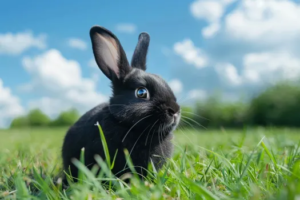
Rabbits may seem shy, but a bonded rabbit shows clear signs of attachment to its owner. Once a rabbit recognizes you as its trusted caretaker, it will actively approach you, nuzzle your hands or feet, lick your palm, lean into your touch, and follow you from room to room. It will relax under petting instead of fleeing, and may even learn to signal you with body language or soft sounds. Building this bond takes time and consistency. Offering food by hand, keeping a clean and comfortable enclosure, allowing supervised out-of-cage time, and simply spending calm, patient hours nearby all help a rabbit feel safe. With steady, gentle care, most rabbits move from fearful and withdrawn to openly affectionate, and you will feel the change in how they respond to you.
How to Relieve Bloating in Rabbits
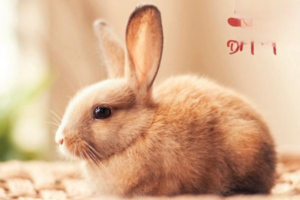
Rabbit bloating usually comes from a fragile gut, hard-to-digest food, too little fiber, or toxic intake. Stop feeding at once and withhold food so the condition doesn't worsen, then offer a probiotic to restart gut movement and gently massage the abdomen to expel gas. Cut back on concentrated feed and add more hay to speed recovery. If home care doesn't help within a reasonable time, see a vet for targeted medication, bloating is manageable but shouldn't be ignored.

What to Do If Your Pet Rabbit Is Constipated
Constipation is common in pet rabbits and, when severe, leads to refusal to eat and listlessness, so it needs prompt attention. Causes include unbalanced feed with too little water, foreign material in the diet, lack of exercise, or secondary disease such as anal inflammation or gut atony. Signs are dropping appetite, weak gut sounds, small hard droppings, then no stool at all, sometimes with bloating. Treatment clears the gut with short fasting, water, abdominal massage, and, if needed, a sodium bicarbonate enema; prevention centers on greens, water, exercise, and a fixed feeding schedule.