Search Results
476 results for “doe rabbit”

How to Prevent Diarrhea in Weanling Rabbits
Weanling rabbits easily get diarrhea from diet change and low immunity; surviving weaning is critical. This guide covers vaccination, scheduled feeding, digestible feed, water control, hygiene, and coccidiosis prevention.

A Rabbit’s Natural Instincts
Rabbits are naturally calm, alert, prone to startle, and need to chew—understanding these instincts makes care easier. Use a bottle, offer chew sticks, give clean cooled-boiled water, and skip frequent baths.

Which Rabbits Shouldn’t Be Bred
Choose breeding rabbits carefully—avoid those with overlong teeth, splay legs, sloping rump, lop ears, or reproductive diseases. The rule is simple: healthy, defect-free stock gives the best offspring.
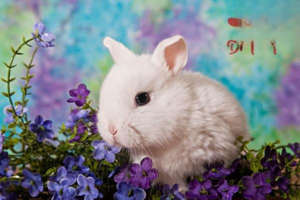
Good Ways to Get Your Rabbit to Return to Its Cage
Rabbits kept caged too long crave the outside and resist returning. The solution is to build a fixed out-and-back routine, use food motivation, avoid unfamiliar scents, and keep the cage clean. This guide explains each step.

Common Dental Diseases in Rabbits
Rabbits' teeth grow continuously, so without enough wear they overgrow and cause malocclusion and caries — both of which can lead to painful facial abscesses. Feeding plenty of hay and regular vet checks are the best ways to prevent dental problems.

What to Do When a Pregnant Rabbit Stops Eating
A pregnant rabbit may stop eating due to hormonal changes, uterine pressure, environment, or diet. Observe for other symptoms; try fresh produce, hay, clean water, and a quiet space. If appetite doesn't return or other signs appear, see a vet. (Note: reduced eating right before birth is normal.)

How to Raise a Rabbit That Bonds With You: Tips to Build Trust
Rabbits are slow-to-warm-up prey animals that are highly sensitive to change, so building trust takes patience and gentle daily interaction. This article shares practical ways to help your rabbit feel safe and grow attached to you.
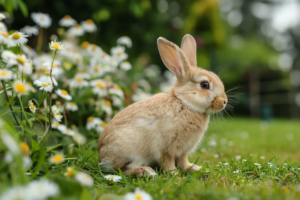
How to Care for a Dwarf Rabbit: Key Tips and Precautions
Dwarf rabbits are small, lively, and gentle, making them a favorite pet rabbit breed, but new owners often make mistakes that put the rabbit at risk. This guide covers the essential setup—cage, water bottle, litter box, diet—and the daily care rules that keep a dwarf rabbit healthy and long-lived.

Key Techniques for Raising Rabbits
Whether for meat, wool, or as a pet, rabbits need scientific care: a fiber-rich diet in small frequent meals, clean non-tap drinking water, a steady 20°C environment, and strict hygiene with 12–15 hours of light. Master these to keep rabbits healthy.
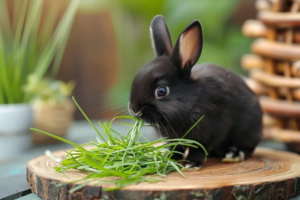
Chinese White Rabbit: Traits and Care Tips
The Chinese white rabbit is an ancient, hardy, disease-resistant breed—small, compact, early-maturing, and prolific. Feed kits a stable diet of quality junior pellets and alfalfa (no veggies/fruit), with constant clean water, to raise them well.