Search Results
476 results for “doe rabbit”

Rabbit Mastitis
Mastitis in rabbits causes loss of appetite and refusal to nurse; without prompt treatment the doe can die from septicemia. The main signs are a hot, red, painful udder that may turn blue in severe cases. It most often appears in nursing does around 20 days after kindling.

Prevention and Treatment of Infectious Rhinitis in Rabbits
Infectious rhinitis in rabbits is hard to cure and best prevented: strict husbandry, low density, good ventilation, solid nutrition and the Pasteurella–Bordetella vaccine cut the risk. For outbreaks, antibiotics such as penicillin, streptomycin, kanamycin or gentamicin by injection, plus enrofloxacin in water for whole-group infection, are the main treatments.

Things to Avoid When Raising Rabbits
Raising rabbits has several do-nots. Avoid these to keep your rabbit healthy and by your side longer: lack of companionship, impatience, violence, starving, teasing with food, too many vegetables or fruit, raw water, shaving the coat, and temperatures that are too high or too low.

How to Tell Male and Female Rabbits Apart
Knowing a rabbit's sex matters for care and breeding control — rabbits should be separated at 3 months to prevent over-breeding, and sex determines neutering age. Sex can be told from birth by genital opening shape, and more easily at maturity by behavior and the adult male's hairless scrotum.

Three Measures to Prevent Rabbit Diarrhea
Healthy rabbit droppings are round or oval, smooth and moderately firm. Loose stool usually means contaminated food or illness and can be serious, even fatal. Keep the diet clean, deworm regularly (never with maduramicin, which is toxic to rabbits), and protect against chills and colds.

Why Rabbits Bite: It Is Never Without Reason
Rabbits do have a temper and will bite — usually for a clear reason: self-defense, territory, hormones, poor vision or breed temperament. They are fragile and sensitive, so gentle handling and earning their trust are the best ways to avoid being bitten.
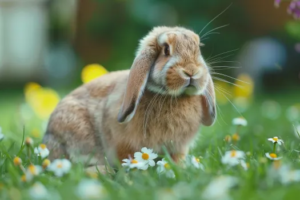
Why Won’t Your Rabbit Eat Its Feed?
A rabbit refusing feed isn't only boredom with the food—it can also mean dehydration, constipation, or disease. Here are the reasons.

How to Prevent and Treat Rabbit Toxoplasmosis
Rabbit toxoplasmosis is a serious parasitic disease best treated with sulfonamide drugs. This guide covers the clinical signs, the standard medication regimen, and the sanitation measures that prevent infection.

Factors That Affect Baby Rabbit Survival Rates
The main factor in kit survival is the strength of the kits' own immunity, with poor care being a close second. This guide covers nest box setup, nursing, preventing cannibalism, and safe weaning to raise more healthy rabbits.

Why Meat Rabbits Lose Hair (and How to Prevent It)
Rabbit hair loss splits into pathological and non-pathological causes. This guide covers normal shedding, barbering, friction, malnutrition, plus mites, fungal, and bacterial disease—and how to treat each.