Search Results
154 results for “doe not pregnant”

Symptoms and Prevention of Toxoplasmosis in Cats and Dogs
The cat, as the definitive host of Toxoplasma, unluckily becomes its embodiment; cats are not born with the parasite, but acquire it mostly by hunting bats, birds, and rodents, while most household cats get it from raw meat, raw bones, and the like.

Deworming Precautions During Cat and Dog Pregnancy
With growing awareness of scientific pet care, deworming pets has become an essential step. But can you deworm a pregnant pet, and which products are safe?

Understanding Your Cat’s Daily Behaviors
Cats repeat five core activities every day: eating, grooming, sleeping, patrolling and hunting. Knowing why they do these helps you read your cat better and meet its needs for a happy, healthy life.

Cat Distemper (Feline Panleukopenia): Symptoms and Care
Feline panleukopenia is a deadly, highly contagious virus causing vomiting, diarrhea, and fever. No cure exists — treatment supports the immune system; vaccination is the best defense.

Do Indoor Cats Need Vaccinations?
More and more people keep cats and care more about their health, such as making homemade food for balanced nutrition and feeding nutritional paste regularly. But many owners have a very weak awareness of regular vaccination.

What to Do When a Hamster Suddenly Has Babies
A doe bred during heat gives birth in about two weeks, so be ready. Right after birth: separate any cagemates at once (they may eat the pups), keep the cage quiet, dim, and hidden with extra bedding and full food and water (the mother raises them alone), never touch the pups — your scent makes the mother reject or eat them, and if you must move them use a spoon; feed the mother rich food (mealworms) for milk, and split the pups to their own cage after weaning to avoid fights or inbreeding.
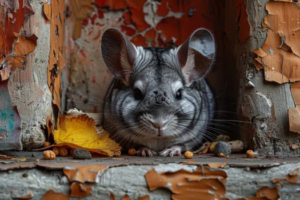
How to Hold a Hamster Correctly
Grabbing a hamster from behind or above, or forcing it (just woken, hungry, or pregnant) scares it and risks a bite; never touch ears, tail, or belly until trusted. Instead, open the cage and let it climb onto your hand, nudge its nose if it nibbles fingers, move slowly once it is on, and once calm stroke it head-to-tail and offer a treat or soft words to build trust.

Key Points for Rabbit Care in October
October brings big day-night temperature swings and the molting period, raising disease risk, so the focus is protecting pregnant does through each pregnancy stage and preparing the kindling box, storing dried forage, and preventing contagious disease with vaccination, stable warmth, and weekly disinfection.

Why Won’t a Rabbit Cycle?
A rabbit may not cycle from being too fat or thin, lack of winter light and greens, disease (vaginal or oviduct defects needing culling), or simply being too young to be sexually mature. Fixes: balance body condition; in winter give sun and vitamin-rich veg like carrot, cabbage, or pumpkin; herbal teasers (motherwort plus black soybean), hormone shots (PMSG), or buck induction for 1–2 hours.

How to Manage a Breeding Buck Rabbit
A breeding buck must be purebred, healthy, and produce high-quality semen, which requires complete nutrition, proper body condition (about 70 to 80 percent fill), and rational use, roughly a 1:8 to 10 buck-to-doe ratio with limited daily matings. House bucks singly, mate in the buck's cage, and check reproductive health before each pairing.