Search Results
154 results for “doe not pregnant”

How to Breed Rex Rabbits
Breeding rex rabbits well means setting the first-mating age at 5 to 6 months (about 3 kg), mating in spring or late autumn, using repeated mating 8 hours apart to lift conception, feeding extra protein and vitamins before breeding, and limiting the buck to no more than two matings a day.

Eight Key Things to Know When Raising Rabbits
Rabbits are fragile and sensitive to change, so good husbandry means watching for warning signs—unusual sounds or smells, sudden temperature shifts, abrupt feed or environment changes—plus careful care for weanlings, new stock, and during outbreaks.
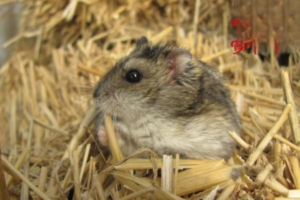
How to Care for a Mother Hamster Just After Giving Birth
Hamsters have strong reproductive ability. As long as the male and female mice are kept together, they easily become pregnant. Today we tell you how to care for a mother hamster just after giving birth.

How to Prevent Rabbit Foot Dermatitis
Prevent rabbit sore hocks with low humidity and good ventilation, a flat cage floor, strict hutch cleaning, whole-group mite control every 2–3 months, and routine foot checks when handling.

Managing Cat Heart Disease Risk Through Diet
Since heart disease is hard to catch early, diet is the first line of defense. Choose low-fat, low-sodium food, limit snacks, handle raw meat safely, and add taurine for kittens and pregnant cats.

Rabbit Salmonellosis
Rabbit salmonellosis is a digestive disease caused by Salmonella typhimurium and Salmonella enteritidis, mainly hitting pregnant does. The bacteria are weak against disinfectants such as 3% lysol or 5% lime milk. Prevention centers on hygiene, flock screening, and killed vaccines for breeding and pregnant does.

Breeding Taboos for Rabbits
Good breeding is key to profitable rabbit farming, yet some owners breed does back-to-back regardless of health, leading to many kits but poor survival. Avoid close inbreeding, mating too early, over-mating, summer breeding, early or late weaning, mixed-group housing, and poor management to keep reproduction rates and kit health high.
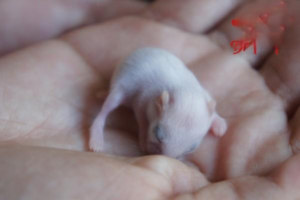
Will a Male Hamster Eat Its Babies?
Male hamsters can eat their young, though it is rarer because they usually cannot reach the pups. Isolate the male once the doe is pregnant, provide plenty of food and water, avoid handling pups which leaves scent, and keep the mother calm, starvation and stress are the top reasons a parent eats its litter.

Symptoms and Treatment of Seizures (Epilepsy) in Cats and Dogs
Epilepsy is a central nervous system disorder where overactive brain neurons cause abnormal function and seizures—convulsions, loss of consciousness, behavior changes. It is intermittent with many causes; treatment aims to reduce seizure frequency. This article covers types, symptoms, and management.

Common Causes of Shedding in Cats and Dogs and How to Relieve It with Medication
Shedding in pets is common, but excessive or abnormal hair loss usually signals an underlying problem—seasonal coat change, parasites, fungal infection, poor nutrition, allergies, hormonal imbalance, over-bathing, or stress. This article covers the causes and the medications that help.