Search Results
123 results for “digging”
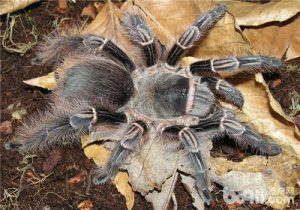
Pink Zebra Beauty
The pink zebra beauty is a large, docile terrestrial tarantula from the South American Pampas, named for its pink hairs and golden leg bands. Reaching a 14–16 cm leg span, it is gentle but fast, and does well in a burrow-style setup with moist substrate.

Berger’s Cape Tortoise
Berger's Cape Tortoise is a small tortoise native to the coastal regions of Namibia and western South Africa, where it shelters among rock crevices and feeds on the flowers and fruits of plants such as cucumbers, gourds, grapes, and figs, reproducing by laying eggs.
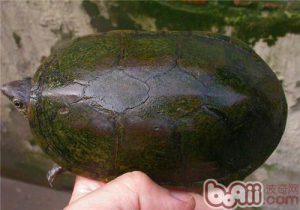
Oaxaca Mud Turtle
The Oaxaca Mud Turtle (Kinosternon oaxacae) is a type of mud turtle that aestivates in summer, burying itself in mud to cool down—hence its name. Living in slow-moving rivers, it hunts fish and shrimp in the water and is an omnivore that leans carnivorous.

Loggerhead Sea Turtle
The loggerhead sea turtle (Caretta caretta) is a large marine turtle found in the warm temperate waters of the Atlantic, Pacific, and Indian Oceans. Historically overharvested for its meat and eggs, it is now listed as a protected species under international and Chinese law.

Acanthoscurria insubtilis
The Bolivian whitefront (also called the Bolivian whiteknee), Acanthoscurria insubtilis, is native to Bolivia. A slightly moist substrate of peat blocks or coconut fiber is recommended.

Lasiodora klugi
The Bahia scarlet tarantula (Lasiodora klugi) is native to the tropical rainforests of Bahia state, Brazil.
Why Do Samoyeds Like to Dig the Ground?
Digging is an instinct for Samoyeds: they bury food or toys, cool down on hot days by touching cooler soil, or release anxiety and restlessness through digging.

What to Know About Flea Prevention for Pets
Fleas harm not only pets but the whole household. Few things ruin summer fun like these tiny, nearly invisible parasites that plague pets and their owners.

Litter Box Care: Setup and Maintenance
The effort you put into choosing, placing, and caring for the litter box is vital to your cat's health and happiness. Wrong elimination (peeing outside the box) hurts both cat and owner.

Are Cats Really Smart?
Cats are certainly intelligent—they learn and adjust based on what they discover. Their brains are structurally similar to ours, with the same lobes, neurotransmitters, and five senses. Like us, they have short- and long-term memory, can be trained with food rewards, and may decline with age (Feline Cognitive Dysfunction).