Search Results
253 results for “deworming schedule”

Dog Has Diarrhea, Won’t Eat, and Is Lethargic
Diarrhea with no appetite and low energy usually traces to a chill, diet, or parasites — and bloody stool or collapse can mean parvo or distemper. Keep the gut calm with probiotics and a balanced diet; persistent or bloody cases need a vet fast.

How to Get Rid of Fleas on Your Cat
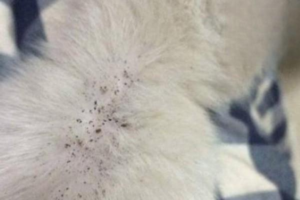
Fleas show up as black specks in the coat, red skin, and constant scratching. Clear them with good hygiene, a flea shampoo or topical treatment, and a clean home — plus the usual folk rinses. Regular deworming and a tidy space prevent them returning.
Why Do Cats Get Fleas and Where Do They Come From?
Fleas are blood-feeding parasites that hide in corners and latch onto cats that aren't on regular prevention. They cause relentless itching and can spread disease. Clearing them means treating the cat and disinfecting the home, with prevention as the real solution.

Do Dogs Carry Bacteria on Their Bodies?
Bacteria live all around dogs, picked up from dust, puddles, and poor hygiene, and show as skin, ear, or gut infection. Treatment is topical or antibiotic plus a clean, dry space; prevention is baths, vaccines, and deworming.

What to Do When Your Dog Has Ongoing Diarrhea and Won’t Eat
Persistent diarrhea in dogs usually traces back to cold exposure, parasites, a sudden food change, or illness such as enteritis, parvovirus, or distemper. Treat the cause, keep your dog hydrated, and get veterinary help if symptoms are severe.

What Bloody Diarrhea in a Puppy Means
Blood in a puppy's stool is a clear warning sign that something is wrong, from a serious viral infection like parvovirus to parasites, a gut injury, or a simple chill. Watching the stool and the puppy's energy level tells you whether home care is enough or a clinic visit is urgent.

What to Give a Cat With Diarrhea
Before reaching for any medication, figure out why your cat has diarrhea—diet change, gastritis, or parasites each call for a different response. Probiotics and a bland diet resolve many mild cases, while parasites need a vet-confirmed dewormer. Knowing the cause is what lets you treat it correctly.

Teddy Dog With Diarrhea, No Appetite, and Lethargy
A Teddy's sensitive stomach is easily upset by overfeeding, cold, or parasites, and the result is diarrhea with lost appetite and low energy. Controlling portions, keeping the dog warm, regular deworming, and gut-supporting supplements are the backbone of recovery.

What to Do When a 2-Month-Old Kitten Has Diarrhea and Won’t Eat
A two-month-old kitten is mid-weaning and easily gets diarrhea from diet slips or the stress of a new home. Hold food briefly while keeping water available, use a vet-approved anti-diarrheal, stay on schedule with deworming, and add a probiotic to settle the gut.

When Should a Kitten Be Dewormed?
Kittens can be dewormed from about 2–3 months of age; internal and external deworming are separate steps. Always dose by weight and age—too much harms the cat, too little does nothing. Weak kittens should wait until 4 months, and pregnant cats only after the kittens are weaned.