Search Results
253 results for “deworming schedule”

What to Do When Your Cat Has an Upset Stomach and Diarrhea
An upset stomach with diarrhea in a newly homed cat is almost always a sign of a sensitive digestive system, not bad luck. The fix is gentle: ease the transition to new food, avoid toxic human scraps, and watch for dehydration that means a vet visit.
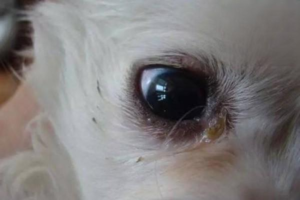
Dog With Eye Discharge and Low Energy: What to Check
Eye gunk with tiredness can be simple 'heat,' eye inflammation, parasites, or fear — or, if yellow nasal discharge and fever appear, distemper. Rule out the serious causes with a vet.

What to Do When Your Cat Has Diarrhea
Cats get diarrhea from chills or bad diet, and a probiotic plus warmth often settles it. Parasites and stress are other common triggers, so deworm on schedule and ease environment changes. Frequent diarrhea with vomiting may mean gastritis or distemper and needs a vet.

What Parasites Live Inside Cats
Cats can harbor several internal parasites, each with its own tell-tale signs. Roundworms, hookworms, filarial worms, and tapeworms differ in appearance and symptoms but all deserve prompt attention. A regular deworming routine is the simplest way to protect your cat's health.

Helping Your Dog Through Autumn
As temperatures drop, autumn brings a heat cycle, extra energy, more parasite exposure, and drier skin. Manage mating or neuter, raise exercise, deworm after outdoor play, and bathe less with a dog shampoo.

What to Do When Your Dog Refuses All Food
A healthy dog rarely skips meals for long, but a sick one may stop eating for many reasons, from pickiness to infection. Find the cause first: fix feeding habits, add exercise, keep up deworming, and see a vet when illness signs appear.

Can an Indoor Cat That Never Meets Other Cats Still Get Fleas?
An indoor-only cat can still get fleas, because owners may carry flea eggs home on shoes and clothing from the outside world. Watch for itching and hair loss, treat the cat and the home together, and keep up regular preventive deworming.

How to Get Rid of Fleas on Your Dog: Effective Removal Methods
Fleas are blood-feeding external parasites that make dogs itch, damage the skin, and can spread other infections. Effective removal means treating the dog, disinfecting the home, and repeating the process because flea eggs are hard to kill and resist a single treatment.

How to Clear Cat Ear Mites Quickly
Ear mites spread cat-to-cat and thrive in unclean, damp ears. Clear them with daily ear cleaning plus a topical dewormer, support the cat's nutrition, and disinfect the home. Consistency — not one-off treatment — is what works.

What to Do When a Puppy Won’t Eat
A healthy dog can skip food only so long; refusal usually means pickiness, illness, or gastritis. Fix it with set meal times, more exercise, and regular deworming — and see a vet if fever, vomiting, or diarrhea appear.