Search Results
221 results for “dehydration”

What Water Temperature Is Best for Snapping Turtles?
Snapping turtles tolerate water from 3 to 45 degrees Celsius, but thrive best between 20 and 30 degrees. Below 18 degrees they stop eating, and below 15 degrees they enter hibernation. Above 30 degrees they may become overactive and suffer dysfunction, with signs like poor appetite and breathing difficulty. Keep the water within a comfortable range and change it regularly, replacing about one quarter to one third each time, to keep quality and temperature stable and support healthy growth.
Health Checks to Do After Rescuing a Stray Cat
Before a stray cat joins your home, a veterinary check-up protects the cat, any resident pets, and your family. Strays can carry parasites, skin disease, or hidden infections, so a targeted exam is worth the cost. Core tests include a physical exam, infectious-disease screening (panleukopenia, coronavirus, calicivirus, herpesvirus; add FIV and FeLV if you have other cats), a fecal exam for internal parasites, and a blood count to flag anemia, inflammation, or dehydration. Imaging or a Toxoplasma test may be added for specific risks. To keep costs down, ask clinics about rescue discounts, look for packaged wellness plans, and have the vet handle basic grooming during the visit. Always isolate the new cat for 7–14 days, deflea and deworm, then start vaccines once it has settled in.

What Happens If a Dog Rarely Gets Sunlight?
A dog that rarely sees sunlight can develop health problems, including calcium deficiency that leads to poor bone growth, weak legs, unsteady walking, and even leg or spinal deformity. Lack of light also lowers skin resistance and makes skin disease more likely. Owners should let dogs sunbathe moderately, while avoiding too much exposure that could cause sunburn or heatstroke. This article explains the risks of too little sun, the real benefits of sunlight, and how to sun your dog safely.
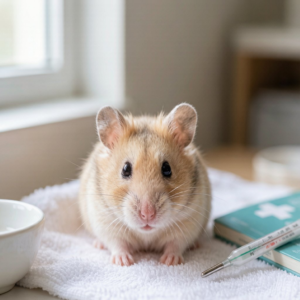
Can Hamsters Die from Sunlight?
Hamsters can die from too much sun. As nocturnal animals, they prefer cool, dim environments, and direct exposure to strong sunlight can seriously harm their health. Their thin skin burns easily under UV rays, their eyes are adapted to darkness and can be damaged by bright light, and because they cannot regulate body temperature like humans, they overheat quickly and may suffer heatstroke, dehydration, or heat exhaustion. To keep a hamster safe, avoid prolonged sun exposure, maintain a habitat around 18-24°C with shade and good ventilation, and always provide fresh water.
Why Do Cats Get Cracked Paw Pads?
Cracked paw pads are common in cats, but the cause determines the fix, so treatment should target the underlying issue. Overgrown keratin, the protective layer on the pad, can thicken from too much time on hard floors and too little movement, leading to cracks, so give cats soft surfaces and enough rest. Dry air and low water intake dry the pads out, making humidity control and constant access to fresh water essential. Poor nutrition, especially zinc deficiency, leaves pads dry and brittle, so feed a balanced, high-quality diet. External irritants like grass spines and parasites can also crack the skin, so check and clean the paws regularly. Fungal or bacterial infection brings redness, itch, pain, even bleeding, and needs cleaning, disinfecting, and the right medication. Keeping indoor humidity up, feeding good food, and ensuring hydration are the best defenses.

How to Treat Constipation in a Chinchilla
Chinchilla constipation is common but, left alone, can seriously harm the gut. Causes include too little fiber or water, intestinal disease such as polyps or rectal inflammation, and too little exercise. Signs are dry pellet-like droppings, lower appetite with more drinking, a slightly swollen tender belly, and lethargy. Treat with more hay and grass powder, extra water, exercise, and gentle belly massage; a vet may advise a motility drug. Long-term laxative use needs professional guidance.
Can Cats Eat Spicy Food?
Cats should never eat spicy food. Although they may curiously sniff your plate, capsaicin, the compound that makes food hot, acts on a cat's nasal and oral membranes as a painful irritant rather than a flavor. When exposed, cats feel burning and pain, often drooling, tearing up, or sneezing, and the spice irritates their stomach lining, which can lead to vomiting, diarrhea, and dehydration. Cats are obligate carnivores with digestive systems very different from ours, and they gain no benefit from chili or strong seasonings. If your cat licks a small amount, watch closely and offer water or kitten-milk formula to soothe the gut; for clear distress such as vomiting, diarrhea, or refusing food, give pet probiotics and see a vet promptly. To keep your cat safe and healthy, stick to proper cat food and a balanced diet, and never share spicy human meals.

What Causes Periodontitis in Dogs?
Periodontitis is a common and painful dental disease in dogs, driven by a mix of physical, fungal, bacterial, and metabolic factors. Physical causes include chewing on fish bones, wire, or other sharp objects that injure the mouth, while fungal infections such as Candida or Blastomyces and bacterial overgrowth can trigger necrotizing ulcerative gingivitis. Metabolic problems like diabetes, kidney disease, dehydration, and hypothyroidism also raise the risk. Affected dogs show bad breath, drooling, swollen or receding gums, loose teeth, and sometimes pus. Diagnosis combines an oral exam with dental X-rays, and treatment requires professional cleaning or extraction under anesthesia plus ongoing home dental care.
Why Cats Develop Uremia (and How to Prevent It)
Uremia occurs when kidney damage stops a cat from clearing waste and toxins, which then build up and harm the body. Causes include age-related decline, unbalanced nutrition, and low water intake, while other illnesses can also damage the kidneys. Watch for changes in urination frequency and volume, dark or cloudy urine, and appetite loss, weight drop, vomiting, or dehydration. Prevention centers on high-quality food, plenty of fresh water, a clean environment, and regular checkups and vaccinations; treatment involves medication, fluid therapy, and nutritional support.
What Are the Symptoms of Coccidiosis in Guinea Pigs?
Coccidiosis in guinea pigs starts quietly—low energy, poor appetite, and weight loss—then progresses to diarrhea with blood or mucus as the parasites steal nutrients and damage the gut lining. Left alone it leads to malnutrition, low blood sugar (weakness, wobbliness, collapse), and can end in shock or death. Some pigs show nervous signs like tremors or a tilted head, fever, and clear digestive distress. Diagnosis is confirmed by finding oocysts under a microscope; treatment uses anticoccidial drugs (sulfonamides, quinolones) at the vet's dose, plus fluids and electrolytes for support. Prevention is clean housing, disinfection, balanced feed, and good parasite control—so see a vet early rather than waiting.