Search Results
221 results for “dehydration”
What Are the Signs of Dehydration in Dogs?
Dehydration signs include reduced skin elasticity, lethargy, poor appetite, a dry nose, and thick sticky saliva. Dogs lose water fast by panting to cool down and from low water intake, so monitor drinking and ensure enough water.

Symptoms and Treatment of Dehydration in Dogs
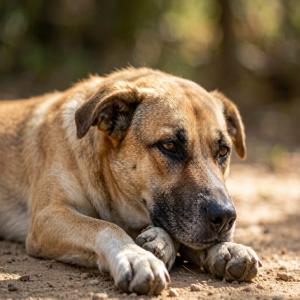
Dehydration occurs when the body's water falls below normal levels, usually involving loss of water and electrolytes such as sodium, chlorine, and potassium. This article describes the signs of dehydration in dogs, how it is diagnosed, and how it is treated.
Causes and Diagnosis of Dehydration in Dogs
Dehydration can be caused by many diseases or abnormalities, which fall into two broad categories: reduced fluid intake and increased fluid loss. This article explains the common causes and how veterinarians grade dehydration severity by skin elasticity and lab tests.

What to Do When Your Cat Collapses from Diarrhea and Dehydration
Diarrhea can drain a cat's body of both fluid and essential electrolytes faster than most owners expect, and severe dehydration can spiral into shock. Knowing how to rehydrate at home and when the situation is an emergency is the difference between a quick recovery and a life-threatening crisis.
Can Deworming Kill a Cat? Understanding the Rare but Real Risk
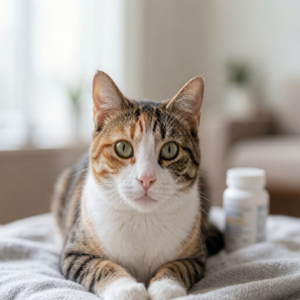
In one reported case, a cat given both a topical and an oral dewormer at the prescribed dose vomited severely through the night and died of dehydration despite IV fluids. It is rare, but it shows deworming is not trivial. Possible causes: an acute allergy to ingredients like albendazole or selamectin (throat swelling, breathing failure, anaphylactic shock); hidden liver or kidney disease that slows drug clearance, worsened by using both products together; stress from rough handling triggering latent illness; and poor management of complications like prolonged vomiting causing low potassium or aspiration pneumonia. To stay safe: dose strictly by weight and age, space topical and oral products 3-5 days apart, and rush to a vet if vomiting exceeds twice an hour.
Dry or Wet Cat Food: Which Is Better? (Most Owners Pick Wrong)
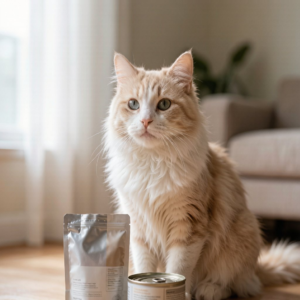
Neither dry nor wet food is absolutely better; it depends on the cat. A healthy adult can follow a "dry in the morning, wet in the evening" rule, meeting nutrition and water needs while avoiding spoilage. Special cases, senior cats with poor teeth, 2-3 month kittens, and cats with urinary disease, should lean toward wet food. The catch: long-term wet feeding needs extra dental care. Dry food is convenient, cheap, and helps scrape teeth but is only ~5% moisture and calorie-dense, raising dehydration and obesity risk. Wet food is 70-80% moisture, tastier, and nutrient-rich but costs more, spoils fast, and leaves more residue on teeth.

Dog at 7 Is Like a Human at 50: Early Signs of Senior Dog Diseases
At 7, every dog, large or small, has entered its senior years and organs start declining faster. Studies show kidney filtration drops 12-18% and joint cartilage wears three times quicker after 7. Many early signs get mistaken for "normal aging" and missed. Watch for osteoarthritis (stiff rising, hesitant stairs, liking soft beds), dental disease (red bleeding gums, loose teeth, bad breath, favoring soft food), chronic kidney disease (drinking and urinating more, later ammonia breath and weight loss), and cognitive dysfunction (getting lost at home, night waking, forgetting house-training). These diseases can't be cured, but early action slows them and extends life.
Early Signs of Heatstroke in Dogs—and How to Prevent It
Dog heatstroke progresses through early warning signs, moderate fever, and severe shock, and the early stage is the easiest to miss—and the easiest to treat. Watch for constant open-mouth breathing with the tongue out and rapid shallow breaths, lethargy and slow responses, seeking shade and refusing to walk, thick stringy drool with a dry hot nose, and reddened, warm paw pads. Move the dog to a cool, airy spot and offer water in small amounts at the first sign; untreated, it can become critical within minutes. This article also covers which dogs are most at risk and practical prevention, from walking at dawn or dusk to never leaving a dog in a parked car.

Can Canine Parvovirus Spread to Humans?
Canine parvovirus is a common, highly contagious dog disease that affects canids such as dogs, foxes, and wolves, but it does not infect people directly. Humans can still carry the virus on hands and clothing after touching an infected dog or its waste, spreading it to other dogs, so thorough disinfection matters. Parvo mainly attacks the gut and immune system, causing vomiting, bloody diarrhea, dehydration, fever, and weight loss, and is especially dangerous to puppies. Prevention through vaccination, isolation of sick dogs, prompt veterinary care, and thorough environmental cleaning is the best defense.
Cat Won’t Drink in Summer? 8 Tips to Get It Drinking on Its Own
A healthy adult cat needs about 50-60 ml of water per kg of body weight each day, but dry kibble is only around 5-10% moisture, so summer drinking matters even more. Cats sweat only through their paw pads and ears and cool poorly, so low intake risks heat stress. Practical fixes: use a shallow ceramic or glass bowl (deep bowls annoy whiskers), offer a filtered running-water fountain, keep bowls over 1.5 m from the litter box and place several around the home, rehydrate freeze-dried food, serve wet food in the evening, and offer unsalted broth a few times a week. Senior, obese, and chronically ill cats need closer monitoring for dehydration.