Search Results
111 results for “damp weather”
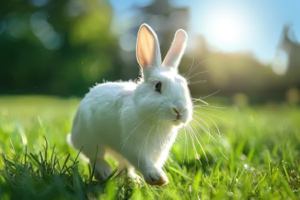
What to Do When a Rabbit Has Diarrhea
Rabbit diarrhea is common and can turn critical fast, especially in weanlings that have lost maternal antibodies. Treat infections with rabbit-safe antibiotics and keep the cage clean and dry; prevent it with safe food, gradual feed changes and isolation of sick rabbits.

Preventing and Treating Rabbit Bordetellosis
Rabbit bordetellosis, caused by Bordetella bronchiseptica, is a chronic respiratory infection that hits young rabbits hardest, especially in spring and autumn. Keep it out with closed-herd breeding, strict sanitation, and biannual vaccination, and treat outbreaks with isolation and Gram-negative antibiotics.

Common Rabbit Diseases in Winter and How to Prevent Them
Cold, dry winters challenge small, fragile rabbits. To help your rabbit through the season safely, prepare ahead. Here are the diseases rabbits face in winter and how to prevent and treat them.

Why Has My Cat Suddenly Stopped Sleeping in Its Bed?
If a cat that used to use its bed suddenly refuses, check for a strong or unpleasant smell, dirt, dampness, or a bed that has grown too small as the cat got bigger. If it never liked the bed, the material may be wrong for the season or the spot may be too noisy. Clean or re-site the bed, match the material to the weather, and place it where the cat already likes to nap.

How to Bathe a Chinchilla? What If It Won’t Bathe Itself?
Chinchillas stay clean with a dust bath rather than water. Use chinchilla-specific volcanic-ash sand 2–3 times a week, give each pet its own bath container, and if a chinchilla won't bathe, guide it by sprinkling sand on its coat or letting it learn from a cage mate.

What Happens If a Rabbit Gets Caught in the Rain?
Rabbits tolerate neither cold nor heat, so rain easily makes them ill—soaked fur drops body temperature and invites colds and pneumonia, while dampness breeds skin infections like eczema and fungus, and chills can shut down digestion and cause diarrhea. Keep their home dry and sheltered, add warm bedding in wet weather, and watch for redness, itching, or appetite loss.

How to Tell If Your Dog Is Cold While Sleeping
A cold dog curls tightly, tucking its head and chest in to conserve heat, and may shiver in very low temperatures. Its breathing turns quick and shallow, its nose and belly feel cool, and it may wake often or refuse to stay in a cold spot. If you notice frequent waking or restlessness, your dog is likely cold and needs warmth.

How to Bathe a Budgerigar (Budgie)?
Bathe a budgerigar on a warm, sunny day using a shallow lidless basin with water about belly-high and a temperature of 18–20°C, then let it dry in soft sunlight away from drafts. Keep baths short—about weekly—and avoid bathing chicks under 3 months, sick, or molting birds.
How to keep a snail at home?
Keep a snail in a covered, ventilated box with damp sand at the bottom. Snails are omnivorous but prefer vegetables and fruit. The ideal temperature is around 25°C; keep them warm in cold weather.

Think Twice Before Getting a Chow Chow — Unless You Can Live With These Traits
Chow Chows are an ancient, lion-coated breed that is clean, quiet, and loyal, but they are far from easy to keep. Their stubborn independence makes training and walks a challenge, and as a short-nosed breed they overheat easily, drool, snore, and shed heavily while needing costly, careful grooming. They suit calm, experienced owners with patience, space, and budget — not first-time dog parents seduced by the cute 'grumpy' face.