Search Results
111 results for “damp weather”
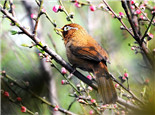
Hwamei (Chinese Hwamei)
The hwamei (Garrulax canorus) looks plain but has a famously loud, melodious song and has long been a prized cage bird in China. It is shy and alert, feeds on insects and seeds, and is the city bird of Guangzhou.

Anglo Mink
The Anglo Mink is the domesticated pet ferret (Anglo / Marshall lines) kept as a companion animal. Intelligent, gentle, and easy to litter-train, it is heat-sensitive and mischievous when unwatched, needs a large wire-free cage and 4+ hours out daily, and eats a meat-based diet (30–35% protein, 15–20% fat). Lifespan 8–12 years.

Lop Rabbit
The Lop Rabbit — one of today's most popular pet rabbits — is named for its ears that hang down. Gentle, small, and people-friendly, it is short-lived (usually 5–7 years) and heat-sensitive, needs daily grooming of its dense coat and drooping ears, and must never be picked up by the ears.

LionHead Rabbit
The LionHead Rabbit is a small, gentle pet rabbit named for the ruff of long fur around its head that looks like a lion's mane. Originating in Belgium and bred in the Netherlands and US, it is sturdy and clean, needs daily coat care and a wire-free cage, and lives 5–7 years.
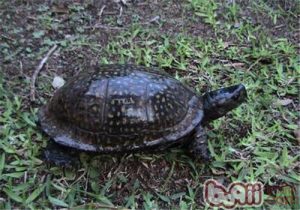
Gulf Coast Box Turtle
The Gulf Coast Box Turtle (Terrapene carolina major) is the largest subspecies of the Common Box Turtle, found along the U.S. Gulf Coast bordering Mexico. A typical omnivore reaching up to 18 cm in carapace length, it grows quickly and is relatively easy to keep.

Autumn Care Tips for Your Cat
Autumn raises three risks for cats: skin trouble from dampness, hairballs during shedding, and weak coats from poor nutrition. Good ventilation, grooming, supplements, and extra water keep your cat healthy through the fall.
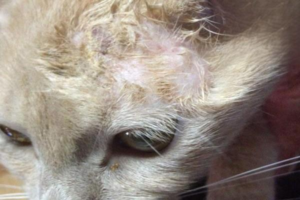
How to Make Ringworm (Cat Fungus) Heal Faster
Cat ringworm is a common fungal skin disease, usually from poor grooming and a dirty environment, causing intense itching and patchy hair loss. Treatment combines shaving and medicated baths with topical antifungals and oral medication for faster recovery. Prevention hinges on cleanliness, sunlight, good nutrition, and not over-bathing.

How to Treat Red Bumps on a Labrador
Red bumps on a Labrador usually come from mites, fungal infection, vitamin deficiency, or poor coat care — not random, and good hygiene prevents most. Treat the specific cause, feed a bland diet, keep the dog cool and the environment disinfected, and see a vet for widespread bumps.

How to Treat Mite Skin Disease in Dogs
Mite skin disease keeps coming back because the mites live in the environment as much as on the dog. Treatment means medicating the affected spots, deep-cleaning the home, and boosting the dog's immunity—prevention through diet, parasite control, and limited contact with strays is what stops recurrence.

Why Your Dog Keeps Scratching Its Ears
Frequent ear scratching usually points to an ear problem—most often ear mites, a fungal infection, or a foreign object lodged in the canal. Spotting the signs early prevents a minor itch from becoming a painful infection or even hearing loss.