Search Results
222 results for “daily hygiene”

Daily Hygiene and Disease Prevention for Dogs
Every disease has a cause, and good daily management can remove many of those causes before they harm your dog. The principle of prevention over treatment is central to responsible dog keeping. Food safety, clean living quarters, and a tidy environment are the three pillars that lower the cost of illness.

Daily Cat Care Tips
Many prospective owners worry about what to watch for and whether it's troublesome. Cats love cleanliness—they groom with their tongue and wash their face after eating, spending ~15% of the day on coat care—but owners still have work to do.

What Daily Care Does a Cat Need
Cats are naturally clean and groom themselves, but their self-cleaning has limits. To keep a cat healthy and free from illness, owners should perform regular daily care covering nails, ears, eyes, and oral hygiene.
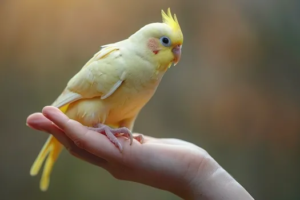
How to Care for a Myna Bird (and Daily Cautions)
A myna is a well-known, beloved bird; once tamed it becomes very clingy, much like a dog. Raise it in a roomy cage with perches and cups, feed chicks myna powder and adults egg-rice with meat and greens, keep the cage clean, and give water baths in summer. Watch temperature swings, prevent colds, and start speech training at 3-4 months.

Common Guinea Pig Diseases and How to Prevent and Treat Them
Coccidiosis, colds, and diarrhea are among the most common health problems in guinea pigs, and owners should focus on preventing them. This guide outlines practical prevention and treatment measures for these frequent guinea pig illnesses, from medication and wound care to daily hygiene checks.

Symptoms and Treatment of One-Eye Cold in Parrots
One-eye cold is a common contagious eye condition in parrots, marked by swollen conjunctiva, watery discharge, lethargy, reduced appetite, and weakness, with respiratory signs in severe cases. If you notice these symptoms, take them seriously and treat promptly. Care begins with isolating the sick bird and disinfecting the cage, then gently cleaning the eye and applying bird-specific drops such as bird-specific eye drops or human erythromycin ointment—treating both eyes even if only one is infected. Serious cases need antibiotics under a vet's guidance. Daily hygiene, clean food and water, and regular check-ups are the best prevention.

Treating E. coli Infection in Dogs and Cats
Colibacillosis is an acute intestinal infection of young dogs and cats caused by pathogenic E. coli, marked by fever, vomiting, and foul-smelling diarrhea that can turn fatal. It mimics many other diseases (distemper, parvovirus, salmonellosis), so a lab test is needed for diagnosis; treatment is antibiotics chosen by sensitivity testing plus strict hygiene and early colostrum.

What to Do About a Dog’s Fracture
In daily life we often see dogs with abnormal behavior-limping, lying still, or crying in pain-which may be signs of a fracture. If your dog unfortunately breaks a bone, what should you do?

What to Do When Your Dog Itches and Keeps Scratching
Dog skin itching has many causes—mange, fungus, fleas, food allergy. Owners must identify carefully. Today we share dog skin-itch situations.

What Skin Diseases Affect Puppies and How to Treat Them
In hot seasons like summer, besides heatstroke, watch skin problems. Dog skin diseases have many causes needing different treatments. Today we explore the types and treatments.