Search Results
211 results for “cooling cat”
Why Chinchillas May Not Be for Everyone: Drawbacks and Who Should Avoid Them
Chinchillas are gentle but timid, shed, chew things, interact little, and overheat above 30 C. They suit allergy-free, patient, financially ready owners who can keep a quiet, cool, dry home - not light sleepers or the impatient.

What Not to Do When Raising a Rabbit
Pet rabbits need care and skill; they are fragile with sensitive guts and specific temperature and humidity needs. Neglect leads to illness and death. Here are the don'ts of keeping a pet rabbit.
How long does it take for a dog’s internal ‘heat’ to recover?
Mild 'heat' recovers in 2 to 3 days with more water and a light diet. Severe cases need cooling foods or medication, and the diet should be adjusted.

Are Chinchillas Prone to Heatstroke? How to Treat It
Chinchillas are very heat-prone: their thick Andean coat resists cold but they have few sweat glands, so heat and humidity quickly cause fatal heatstroke. Cool a stricken pet with ice and a fan, wipe alcohol on thin-furred spots, give a cooling remedy, and rehydrate — and keep the room below 28°C, ventilated, and shaded in summer.

Chinchilla Heatstroke: Symptoms and Emergency Care
Chinchilla heatstroke happens when heat and humidity stop the body from shedding heat, and severe cases are fatal fast. Watch for lethargy, unsteady standing, or coma; for mild-to-moderate cases move the pet to a cool place, apply cooling balm, and give a heat-relief fluid, while severe cases need glucose and a vet.
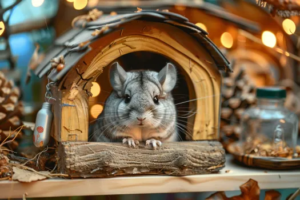
Chinchilla Heatstroke: First Aid and Prevention
Chinchillas are very heat-sensitive and can die quickly from severe heatstroke. Move a stricken pet to a cool, airy place, wipe it down, and give cooling fluids; prevent trouble by placing the cage out of the sun and using AC, a cooling fan, or ice to keep the room between 8 and 22°C.
How to tell if a bichon has a fever?
Measure the bichon's rectal temperature; above 39.5 degrees C means fever. Use physical cooling with ice packs or alcohol wipes, and see a vet if it does not drop.
What are pet chinchillas like?
Pet chinchillas look cute, a bit larger than hamsters or guinea pigs but smaller than cats, with soft dense fur that feels great. They are gentle and timid; after familiarization they can be held, and they fear heat and do best at 8 to 25°C.
My dog is uncoordinated, drooling, panting heavily, and drinking lots of cold water.
These signs suggest poisoning or heatstroke. Check temperature; over 40 C with hot limbs and rapid breathing indicates heatstroke needing cooling and water, while suspected poisoning needs a vet and vitamin C fluids.
How Can I Tell if a Kitten Has Caught a Chill?
A chilled kitten may shiver, sneeze, lose appetite, have more eye discharge, and soft stool. Keep it warm and give glucose or formula; for serious runny nose use pet cold medicine. If fever occurs, cool it and seek a vet.