Search Results
211 results for “cooling cat”
My dog caught a cold from a bath and chills; how to treat at home
For a chilled, cold dog, first warm it to stop shivering and worsening. Line the bed with blankets or a warm (not hot) water bottle. Feed nutritious, easy food and appropriate pet cold medicine to ease symptoms and aid recovery. Also wipe eye and nose discharge during care.
What can a Labrador eat to reduce internal heat?
When a Labrador has internal heat, adjust the diet first and avoid high-calorie food. Give more water and cooling fruits like watermelon and pear in moderation to avoid diarrhea. Pet heat-clearing medication can help; if severe, see a vet.

Keeshond
The Keeshond is a medium-sized, square-built Spitz from the Netherlands, known for its striking silver-gray coat, 'spectacle' markings, and lion-like ruff. Outgoing, cheerful, and loyal, it makes an excellent companion and watchdog.
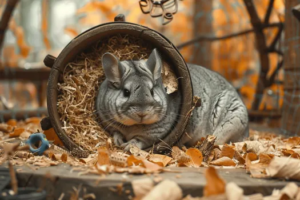
Emergency Measures for Guinea Pig Heatstroke
Guinea pig heatstroke needs fast action: move the animal to a cool, ventilated spot and cool it with ice (never pour cold water on it), then offer weak saline. Watch for heat-induced constipation and help it pass stool; keep easy-to-chew produce nearby, and improve cooling further if it still lies sprawled with its belly on the floor.
Is there meaning in a dog’s sleeping posture?
Sleeping postures (side, curled, sprawled) reflect mood and health. Side-sleeping shows safety and relaxation and aids cooling; curled indicates cold or avoiding disturbance; sprawled is light sleep. Postures offer insight into well-being.
My dog had a fever of 39.7°C with yellow nasal discharge; after three days of vet shots the fever rose to 39.9°C, though it eats, drinks, and stools normally and the thick discharge is gone—what should I do?
Recurring fever often means a persistent infection; frequent antipyretics can hinder the immune response, so try alcohol-rub physical cooling on the ears, paws, and inner thighs. Still, get a clinical work-up—PCR for distemper and a blood test for parasites.
My rabbit’s ears are hot; I cooled them with water but they get hot again—why?
Based on your description, hot ears in a rabbit may indicate a fever. A pet rabbit's normal temperature is about 38–39.5°C. First measure with a thermometer; if accompanied by symptoms like nasal discharge or lethargy, the fever is likely from infection or contagious disease. If cooling doesn't help and fever recurs, see a vet.
My bird has heatstroke with heavy panting and occasional spasms; I gave electrolytes and Huo Xiang Zheng Qi Shui five hours ago—what now?
Based on your description, heavy panting and occasional spasms after heatstroke mean the bird is severely affected and at risk of death. Since you've given electrolytes and a cooling herbal liquid, keep it in a cool, ventilated place, spray cool water periodically, and offer water. If a vet is nearby, seek professional care.
My two-month-old puppy coughed and dry-rethed after vaccination and now has a slight fever—what should I do?
Based on your description, a puppy with fever, cough, and foamy dry-retching usually indicates a respiratory infection. It may be a weak immune system reacting to the modified-live vaccine, or a common respiratory illness such as distemper, kennel cough, or acute pneumonia. Seek veterinary screening promptly and do not give human Banlangen.
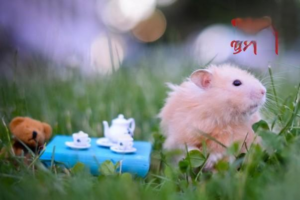
How to Keep Hamsters Cool and Prevent Heatstroke in Summer
In sustained high temperatures hamsters can suffer heatstroke. Use cooling bedding such as corn cob or cat litter instead of heat-retaining wood shavings, place the cage in a cool, well-ventilated room, and add a bowl of water or chilled stones to lower the ambient temperature. Make sure your hamster always has plenty of water to drink.