Search Results
75 results for “cooked bones”

Should Your Dog Chew on Bones?
Chewing is a deep-rooted instinct that also helps clean teeth and satisfies a dog's need to gnaw. Bones supply a little calcium and keep a dog busy, but choose them carefully and avoid cooked bones that can splinter.
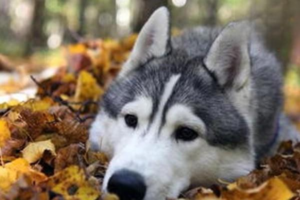
Foods Dogs Should Not Eat
Salt and pungent spices irritate a dog's stomach and should stay off the menu, while large stone fruits must be pitted and cooked bones avoided entirely because they splinter. Liver and dairy are safe in moderation — vitamin A poisoning needs enormous daily amounts, and many dogs simply lack the enzyme to digest milk.

Foods That Can Kill or Harm Your Dog
Many common foods are dangerous for dogs — some fatal. Never feed cooked bones (especially chicken/duck), too much liver (vitamin A toxicity), onions/garlic (blood-cell rupture, bloody urine), or chocolate. Also avoid grapes, certain fruits, risky veggies, raw egg/meat, dairy, and high-salt or high-sugar foods; keep alcohol, coffee, and tea away entirely.

Foods a Pomeranian Must Never Eat
Pomeranians are prone to pancreatitis and toxicity from common human foods. Chocolate, milk, alliums, cooked bones, spicy seasonings, raw meat, table scraps, and hard-to-digest seafood can cause anything from anemia to intestinal perforation — keep them all off the menu.

How to Feed a Kitten: Schedule, Diet, and Foods to Avoid
Kittens need frequent small meals of quality kitten food — at least three a day under six months — with fixed times and a clean, quiet spot to eat. Never give cow's milk (most cats are lactose intolerant), cooked bones, chocolate, grapes, onions, or raw meat and eggs; switch to adult food gradually over 5 to 7 days around the first birthday.

Common Misconceptions About Feeding Pets
Common feeding mistakes include giving white rice and organ meat (skin and bone problems), fish (choking and urinary stones), cooked bones (intestinal tears), human leftovers (too much salt and oil), long-term raw meat (dental and picky-eating issues), chocolate (toxic to dogs) and milk or raw egg white (diarrhea and vitamin loss). Feed a balanced, species-appropriate diet.

Dog Food Safety: Harmful Foods to Keep Away from Your Dog
A healthy dog starts with a safe, balanced diet. The single most important rule is to keep harmful foods out of your dog's bowl. Certain everyday items—sharp cooked bones, too much animal liver, onions and garlic, chocolate, and allergenic seafood—can damage your dog's digestive tract or even prove toxic. Cooked bones can tear the stomach or intestine; excess liver causes vitamin A poisoning; alliums trigger the destruction of red blood cells; chocolate's theobromine is dangerous in quantity; and seafood often sparks allergic diarrhea. Learning these common dietary taboos helps you protect your dog from acute poisoning, internal injury, and chronic health issues, and keeps mealtime both safe and nutritious.

Ingredients Cats Cannot Eat
New owners often ask what cats can eat. The answer: human food is best avoided, and even some dog-safe foods aren't cat-safe. Here are the absolute no-nos.

Tips for a Safe Road Trip with Your Dog
Driving home with your dog for the holidays? Pack a safety kit, use a pet seat belt, avoid toxic foods like chocolate and grapes, and protect nervous dogs from fireworks. Good preparation keeps the trip safe for everyone.

A Practical Guide to Feeding Stray Cats
Feed strays clean, labeled kibble with 25%+ protein rather than cans or human food, which can be toxic (onion, grapes, chocolate). Use two clean containers in a quiet, hidden spot, and clear leftovers after a few hours to avoid waste and attract trouble.