Search Results
75 results for “cooked bones”

Can Cats Eat Raw Meat and Bones?
A true 'raw meat and bone' diet is meat plus uncooked bone plus organ meat — a carnivore's natural fit that preserves nutrients, supports digestion and immunity, and adds water for cats that won't drink. The catch is safety: much raw product is un inspected and can carry rabies, pseudorabies, or parasites, so only use vetted sources, keep up deworming and vaccines, and never feed unprocessed market meat.

Benefits of Giving Dogs Bones
Dogs naturally love to chew bones, and many owners feed them bones regularly. Chewing bones has real benefits, but it also hides dangers. This article covers the pros and cons of bones and how to offer them safely.

How to Help a Dog Digest Bones Quickly
Dogs are smart and sneaky and may steal bones, but they can hardly digest them; buildup can block the esophagus. How to help? This article explains.
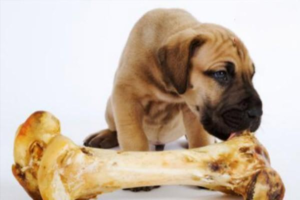
Should Dogs Eat Bones? How to Do It Safely
Vets often warn against bones because they are hard to digest and can block the gut, yet they also clean teeth, calm boredom, and add calcium. If you do give them, choose raw, large, non-hollow bones and avoid cooked poultry bones that splinter; cartilage, pressure-cooked bones, fish heads, necks, tails, frames, and pork fans are safer picks.

Benefits of Home-Cooked Meals for Dogs
Home-cooked dog meals give you control over safe ingredients, higher retained nutrition, easy diet tweaks for illness, easier digestion, lower allergy risk, lower cost, and better palatability. The trade-offs are softer food that needs dental care, the time to cook balanced meals, and the danger of toxic ingredients like onion, garlic, avocado, and grapes.
How long to boil bones for a dog?
Boiling bones for a dog until fully cooked can take from thirty minutes to over an hour depending on size, but cooked bones are risky as they can splinter and cause injury. It is safer to avoid giving cooked bones altogether.
Is it better for cats to eat raw or cooked fish?
Cooked fish is better; raw fish carries parasites and bacteria that upset the stomach, though it is more aromatic and nutritious. If feeding raw, deworm monthly. Cook plain without seasoning and remove bones.
Why can’t dogs eat chicken bones?
Chicken bones are sharp and hard, risking throat obstruction and gut blockage with vomiting, bleeding, and breathing trouble. Avoid all cooked bones.
Can cats eat bones?
No. Cooked/fine bones (fish, chicken, duck) can scratch the throat and gut and cause bloody stools; hard bones can lodge and cause vomiting, diarrhea. For calcium, use safe powder or tablets.

Can Dogs Eat Bones?
Dogs can eat bones — but only the right kind. Raw, fresh meaty bones are healthy and nutritious; cooked, smoked, or dried bones and hard weight-bearing bones are the dangerous ones to avoid.