Search Results
3070 results for “cold”

Canine Hip Dysplasia: A ‘Destiny’ for Large Breeds?
Hip dysplasia is a hereditary joint fault where the ball and socket fit poorly, loosening the joint and eventually causing arthritis. Large breeds like Golden, Lab, and Shepherd are most at risk. Early signs are subtle—occasional hind-limb limping, slow rising, reluctance on stairs—while advanced cases show a swaying gait and muscle loss. X-rays and PennHIP confirm it; weight control, gentle exercise, joint supplements, and vet-guided pain care slow its course.
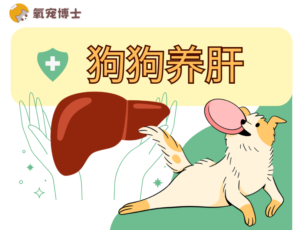
Foods That Support Your Dog’s Liver
The liver filters toxins, stores nutrients, and makes bile, yet it stays silent until heavily damaged—so daily support matters. Quality protein, cruciferous vegetables, and berries aid detoxification, while milk thistle, dandelion root, and omega-3s protect cells. Just as vital is what to skip: fatty foods, toxic items like chocolate, onion, and grapes, and human medicines that strain or poison the liver. Keep water flowing and weight healthy.
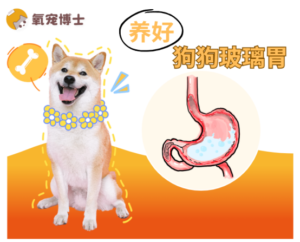
How to Care for a Dog with a Sensitive Stomach
A weak gut hurts more than digestion—it drags down nutrient uptake and immunity. Causes range from sudden diet changes and parasites to infection, chronic gut disease, and stress. The fix is a gentle, single-source diet on a fixed schedule, a careful transition to new food, light toppers like pumpkin or boiled chicken, and pet probiotics. Keep the belly warm and add gentle exercise; see a vet for persistent vomiting, blood, or lethargy.
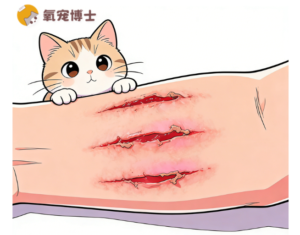
Cat Scratch Disease: A Zoonosis You Should Know
Cat scratch disease is a bacterial infection from Bartonella henselae, passed mainly by a cat's scratch or bite. Cats carry it without symptoms, but people can develop a red bump, swollen lymph nodes, and fever. Most cases are mild and self-limiting, yet antibiotics help when symptoms are strong. Wash any scratch well, and see a doctor if signs appear—especially for children and the immunocompromised.

Why Is Your Calm Dog Suddenly Barking So Much?
A dog that suddenly won't stop barking is communicating something. The cause may be physical pain, psychological stress like separation anxiety, or unmet needs for food, attention, or exercise. Rule out illness first—limping, vomiting, or appetite loss mean a vet visit—then ease anxiety with gradual alone-time training, a quiet safe corner, and reward-based calm. Patience beats punishment, which only makes it worse.

Popular Dog Breeds: Pros and Cons at a Glance
Choosing a dog means weighing temperament, exercise needs, grooming, and health risks against your lifestyle. From the gentle, trainable Golden and Lab to the stubborn, shedding Husky and Samoyed, and from compact Corgis and Pugs to tiny Bichons and Yorkies, every breed trades one challenge for another. There is no perfect dog—only the right match. Know the trade-offs before you commit.
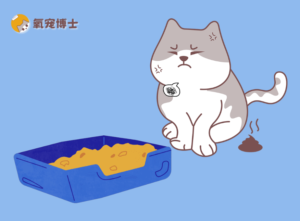
Why Won’t My Cat Use the Litter Box?
A cat that suddenly stops using the litter box is sending a signal, not being spiteful. The cause is usually the box itself—dirty, cramped, noisy, the wrong litter, or too few boxes in a multi-cat home—or a health issue like constipation, diarrhea, or joint pain. Stress from changes at home is the third big driver. Fix the box and environment first; see a vet if pain or abnormal stool is involved.
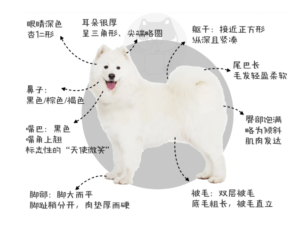
The Samoyed: A ‘Smiling Angel’—but Think Twice Before You Commit
The Samoyed's famous 'smile' is real, and so is its friendliness, trainability, and adaptability. But this breed sheds heavily, needs daily exercise, has a sensitive stomach, and shows its share of health issues—tear stains, dermatitis, heatstroke, obesity, and hip dysplasia. Before you fall for the looks, weigh the work it takes to keep one happy and healthy.

Signs Your Dog Thinks It Outranks You
Dogs inherited a pack mindset from their wolf ancestors, and some dogs decide they're the boss of the household. Common signs include guarding food, jumping on or mounting you, ignoring commands unless food is involved, claiming the sofa or balcony as off-limits, and snapping back when you correct them. Left unchecked this can escalate toward biting, so clear, consistent household rules matter—and most dogs actually feel safer once they know you're in charge.

Common Genetic Diseases in Ragdoll Cats
Ragdolls are prone to two inherited diseases: hypertrophic cardiomyopathy, where the heart wall thickens and can cause sudden cardiac death, and polycystic kidney disease, where fluid cysts enlarge the kidneys. HCM peaks at four to eight years and affects about 6 percent of the breed; PKD strikes at three to ten and is avoided if both parents test clear. Neither can be cured, only managed with care, kidney-support diets and vet-guided mineral supplements, so DNA testing and routine prevention matter.