Search Results
3070 results for “cold”
Treating a Dog’s Vomiting from Heatstroke
For a dog vomiting from heatstroke, move it to a cool, airy spot and lower its temperature with cool (not ice-cold) water or alcohol wipes—too-cold water traps heat by clamping vessels. Keep the neck extended to ease breathing, give oral saline, and stop cooling once normal temperature returns. Clear vomit from the mouth and keep the head low to prevent aspiration pneumonia.

Common Bad Habits in Cats (and How to Fix Them)
Cats aren't perfect, and they can pick up habits that frustrate owners—nighttime zoomies, ignoring their name, play-biting, scratching the furniture, and sleeping too much. The good news is that most are manageable. Reset the sleep schedule by wearing your cat out before bed; build name recognition and reward-based training at mealtimes; curb biting by never using your hands as toys and firmly scolding attacks; provide scratching posts and wrap table legs in rope; and encourage exercise, even leash walks, to prevent obesity. Fix habits early so neither your furniture nor your cat's health suffers.
What to Do When a Dog Vomits from Getting Chilled
A dog that vomits after getting chilled needs a vet check first to rule out viral disease (distemper, parvovirus, coronavirus) or a swallowed foreign object. If those are excluded, the cause is likely ordinary gastric upset. Withhold food and water briefly, keep the dog warm, and offer easily digested food once vomiting stops; probiotics and steady warmth prevent recurrence.

Preventing and Treating Frostbite in Rabbits
Rabbits can be frostbitten or freeze to death in severe cold. Frostbite usually hits thin-skinned, low-fur areas at the body's extremities, and hairless breeds, hungry or tired rabbits, and young kits are most vulnerable. It is graded in three levels, from red, swollen skin to blisters and, at its worst, dead tissue and death. Prevent it with a warm, dry, well-bedded hut and sturdy animals; treat mild cases with oils or iodine, and severe cases with antibiotics and supportive care.

How to Care for a Pekingese
The Pekingese—also called the Lion Dog or Beijing Dog—is a tiny, sturdy, ancient companion breed with a devoted, loyal nature and relatively simple care needs. Provide a warm, comfortable bed and a steady routine for eating, sleeping, and toileting. Feed a balanced diet of quality kibble plus safe additions like cooked vegetables and lean meats, and avoid onions, garlic, spicy or salty food, cold leftovers, raw meat, and caffeine. Groom daily, clean the eyes, ears, and paws weekly, brush the teeth several times a week, and bathe as needed to prevent skin and parasite problems.
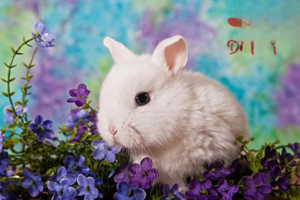
How to Shear an Angora (Long-Haired) Rabbit
Angora rabbits are raised mainly for their wool, and learning to shear them correctly protects both fiber quality and the animal's health. A mature rabbit is typically sheared about four times a year, once per season, with the best grades harvested in March, June, September, and November. Shear close to the skin in a set order, back midline, sides, rump, neck, jowl, belly, legs, never a second pass over the same spot, and time the job for a breezy, clear day with warm bedding afterward.

How Fat Is Too Fat for a Cat, and Does Meat Make Cats Fat?
Judging whether a cat is overweight comes down to body shape, not the number on a scale — breeds and builds differ, so compare body condition, not weight. Using a 1–10 body-condition score, you can feel the spine and ribs and watch the waistline: 1–2 is very thin, 5–6 ideal, 9–10 obese. A cat's saggy belly 'primordial pouch' is normal and not a sign of fat. As obligate carnivores, cats digest meat efficiently and grow lean and strong on it; what causes obesity is hard-to-digest, starchy, sugary food — not meat.

Is It Normal for Cats to Bite Their Nails?
Cats may bite their own nails for several harmless reasons. Overgrown nails can curl and hurt the paw pads, prompting the cat to trim them by mouth, so regular claw clipping is important. Dirt, itchiness, or injury around the nail also leads to nibbling, and you should treat the cause — clean wounds and bandage if needed. Biting nails can also signal stress or low mood: changes like new people or pets, a move, being bullied by another pet, or feeling ignored can all trigger it. The fix is to notice what changed and give your cat more attention and companionship to restore calm.

Essential Tips for Raising Healthy Rabbits
Rabbits are sensitive to their environment, and getting temperature, humidity, feed variety, and nighttime feeding right is essential to keeping them healthy. Their thick coat and weak sweat glands make it hard to release heat, so rabbits tolerate cold better than heat; a stuffy, humid hutch quickly leads to illness. Aim for about 20-27C, keep bedding dry, offer a varied diet instead of a single feed, and provide plenty of hay at night when rabbits are most active. These basics help prevent disease and support steady growth.

Signs Your Cat Is Getting Older
Cats typically live around 15 years and are considered seniors at roughly seven or eight. As they age you may notice lower energy and longer sleep, a stronger dislike of cold, and a poorer appetite. Dental problems such as loose or missing teeth make eating harder, while slower movement and delayed reactions show declining mobility. Whitening fur around the muzzle and cloudy, dull eyes are also common. Recognizing these changes early lets you adjust daily care so your cat stays comfortable and healthy through its golden years.