Search Results
113 results for “coccidiosis”

Canine and Feline Coccidiosis: Symptoms, Treatment, and Prevention
Coccidiosis is caused by coccidia protozoa infecting the intestinal lining of puppies and kittens, causing watery diarrhea and, in heavy infection, bloody stool and wasting. It is treated with anticoccidial drugs and supportive care.

What Is Coccidiosis in Cats and Dogs
Coccidia are single-celled gut parasites that hit young cats and dogs hard and can spread to people as chronic diarrhea. A fecal check confirms infection, and sulfonamide or amprolium treatment needs follow-up tests to prevent relapse.
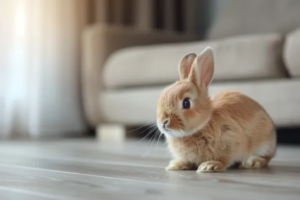
How Owners Can Help a Rabbit With Diarrhea
Rabbit diarrhea usually traces to diet — too much water or too little fiber, parasites, or stress — and young rabbits are vulnerable. Withhold greens and fast briefly with hay and water for mild cases, but seek a vet at once for blood, mucus, fever, or lethargy.

What Are Feline Coccidia, Tritrichomonas, and Giardia?
Coccidia, tritrichomonas, and giardia usually cause gastrointestinal symptoms in cats, like diarrhea and blood in stool. Here's an introduction.

How to Treat Canine Coronavirus Infection
Canine coronavirus infection, also called canine coronavirus diarrhea, is an acute infectious disease caused by canine coronavirus, mainly characterized by vomiting, diarrhea and dehydration in dogs.

Canine Rotavirus Infection
Canine rotavirus infection is an acute contagious disease that mainly affects newborn puppies, clinically characterized by watery diarrhea; adult dogs are usually subclinical. The disease spreads quickly where hygiene is poor.

Symptoms and Treatment of Canine Campylobacteriosis
Canine campylobacteriosis, also called canine fox fever, is a zoonotic infectious disease caused by Campylobacter jejuni that mainly presents as diarrhea.

Feeding Management for Rabbits by Life Stage
Rabbit feeding changes by stage: kits need colostrum within 10 hours and a warm dry box at 28-31°C, pellets start at 16-22 days, twice-daily junior formula at 40 days, and grass alongside feed at 60-90 days. Keep housing clean and dry and prevent coccidiosis, overeating, and diarrhea.
How to Fatten Meat Rabbits Quickly
Fast fattening of meat rabbits relies on careful kit management, supplemental feeding from 18 days, ample water, staged rations (40–60 g feed at 60 days, 90–120 g at 60–120 days), mixed-age grouping to boost intake ~15%, and disease prevention.

Precautions in Raising Rabbits
Keep rabbits apart from chickens (disease cross-infection like coccidiosis, pasteurellosis), avoid asbestos roofing (fiber cough), don't yank ears when handling, don't feed only silage (acidosis), avoid oral antibiotics, and ensure adequate light for breeding.