Search Results
104 results for “coccidiosis”

Rabbit Hairballs vs. Coccidiosis: Key Differences
Some confuse rabbit hairball disease with coccidiosis—similar names, but different illnesses needing different treatment. Mixing them up delays or worsens care. Here is how to tell them apart.
Why does a dog get coccidiosis?
Dog coccidiosis is mainly from coccidia parasitizing the large and small intestine mucosa, entering via food and water, with puppies more susceptible. Poor hygiene, crowding, and dampness raise risk; sick and carrier adult dogs are the main source spreading it to others.
What should I do if my rabbit has coccidiosis?
If a rabbit is infected with coccidia, it should be dewormed promptly; a common medication is diclazuril solution. Follow the prescribed dosage to avoid overdosing and discomfort. Coccidia infection often causes loose stool due to gut flora imbalance, so also give the rabbit pet probiotics to regulate its intestinal flora. At the same time, clean and disinfect the rabbit's living environment.

How to Treat Coccidiosis in Rabbits
Rabbit coccidiosis is a serious, potentially fatal disease marked by diarrhea, lethargy, poor appetite, and a foul odor. Treat it by isolating the sick rabbit, disinfecting its cage, and giving a dewormer, with vet care if symptoms do not improve.
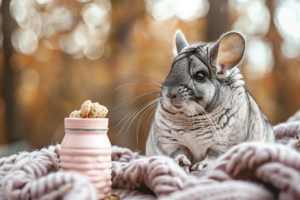
How Guinea Pigs Contract Coccidiosis
The coccidia carried by guinea pigs is usually Eimeria caviae, a parasite that lives in the intestine and is most often passed from a mother's spore-containing droppings to her pups. Young guinea pigs aged 4–12 weeks are most at risk, and infection typically shows up as diarrhea that needs a fecal test to confirm.

Precautions for Preventing Guinea Pig Coccidiosis
Guinea pig coccidiosis can kill within 2–4 hours, so prevention matters. Keep anticoccidial medication on hand, maintain a clean, dry habitat, disinfect the cage regularly, avoid blind dosing, and run two fecal checks after bringing a new pet home.
Why Do Rabbits Get Coccidiosis?
Usually from unclean diet or living environment. Most rabbits carry coccidia and don't show it; poor hygiene or poor nutrition lowers resistance, triggering disease. Isolate the sick rabbit and disinfect its items/hutch to protect others. Deworm promptly.

What are the symptoms of coccidiosis in rabbits?
Rabbit coccidiosis is a common parasitic infection in rabbits. Its common symptoms include diarrhea, fever, decreased appetite, weight loss, and emaciation, and in severe cases it can lead to sudden death. Therefore, timely prevention and treatment are very important for controlling the spread of the disease. Coccidiosis mainly spreads through contact with an environment contaminated by the parasite, especially by drinking polluted water or eating hay infected with coccidia, so the owner should keep the rabbit's diet and living environment clean. If you notice symptoms of coccidiosis, deworm the rabbit promptly.
How is rabbit coccidiosis transmitted?
Rabbit coccidiosis spreads mainly through the feces of sick rabbits, and also through their belongings and soil or lawns contaminated by them. Treat promptly with an anticoccidial drug such as diclazuril solution, and after deworming add probiotics to regulate the gut, since the drug can disturb gut flora.
What medicine treats coccidiosis in dogs?
Coccidiosis is generally treated with sulfadimidine under vet guidance. Signs include bloody stool, anemia, weakness, and dehydration; treat promptly. Puppies are more vulnerable, so deworm and keep food clean.