Search Results
113 results for “coccidiosis”

Common Guinea Pig Diseases and Treatments
Guinea pigs are cute and gentle, but they still need disease prevention to stay healthy and live longer. Here are the common guinea pig illnesses and how to treat them.

Why Is My Rabbit Passing Red Stool?
Red stool can be harmless—red-pigmented foods like red spinach or mustard greens—or a warning of bleeding from gut inflammation, gastritis, or an anal tear. Overfeeding concentrated feed ferments in the cecum, upsets the gut flora, and causes enteritis with bloody diarrhea. Keep the home dry and airy, prevent coccidiosis, use a smooth cage floor, feed vegetables in moderation, give chew toys, control portions (rabbits have no fullness cue), and balance grain, greens, hay, and water.
Key Points for Raising and Managing a Baby Rabbit
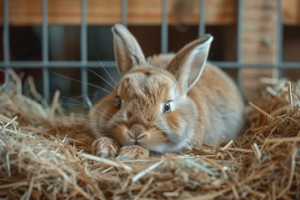
Baby rabbits are fragile: feed junior pellets and alfalfa (not fruit/veg), give clean water (never tap), keep the cage clean and quiet, hold temperature near 20 C (15-30 range), and prevent diarrhea and coccidiosis.

How to Care for a Pet Rabbit, Especially One Newly Brought Home
Rabbits need hay (alfalfa for young, timothy for adults), pellets and veg twice daily, fresh water, a dry 15-25 C home, and no baths. A new rabbit needs quiet, limited space, separation from residents, and a fecal test (not yet deworming) at the vet.
How long does it take to get rid of coccidia in dogs?
Coccidia medication generally needs to be given for about 7 consecutive days because the eggs hatch after the adults die and can re-infect the dog. After medication, owners should watch the feces for signs of coccidia or eggs. With timely treatment, coccidiosis usually causes little harm, but severe untreated infections can be fatal.
How often should I give a rabbit coccidia medication?
From about one month old, add anticoccidial medicine to a rabbit's feed or water to prevent coccidiosis. Because products differ, follow the label; for rabbits under six months, deworm once a month.
What happens if a rabbit is not vaccinated?
Not vaccinating raises the risk of rabbit hemorrhagic disease and pasteurella, severe in large farms. But one or two pet rabbits at home are usually fine, since they rarely go out or meet other rabbits. Pet rabbits more need coccidiosis prevention via deworming and clean diet.

Lionhead Rabbit: Appearance and How to Choose One
The Lionhead rabbit is small but round, with a plump body and a distinctive mane of long fur around the neck that forms a V shape like a tiny lion. Picking a healthy individual is the key to successful keeping. Avoid unweaned or very young rabbits, which are fragile and harder to raise; beginners should choose one over two months old. Knowing the breed's looks and common ailments helps you select a vigorous pet and care for it well.

Rabbit Lying Down with Weak Limbs — What to Do
Seeing a rabbit flat on the ground with weak legs can look like the end, but the cause is often treatable. The three usual suspects are heatstroke from a hot, stuffy room, low blood sugar from poor nutrition, and coccidiosis, a parasitic gut infection. Each has a distinct fix, from cooling and glucose to deworming and disinfection. This guide explains how to tell them apart and what to do before a vet visit becomes necessary.

Chinese White Rabbit
The Chinese White Rabbit is China's oldest domestic rabbit — small, compact, and remarkably hardy, with red eyes only in the white form. A meat-type landrace that also makes a tough pet, it needs a wire-free cage, a ball-valve bottle, and a simple diet of pellets, alfalfa, timothy, and boiled water. Watch for coccidiosis.