Search Results
2728 results for “coat color”

Toy Poodle Standard: Appearance and Physical Traits
The Toy Poodle has a long body and is kept in many homes. It has a fun, confident and lively personality and is very loyal to its owner. For families with children, the Toy Poodle is an excellent companion breed. This article covers its normal body length, build, weight and shoulder width.

Toy Poodle Price: How Much Does a Toy Poodle Cost?
The Toy Poodle is a French breed; in developed European countries many keep them. Smart and expressive, Toy Poodles command high prices. This article covers the typical price of a Toy Poodle.

Why Cats and Dogs Shed in Spring (and When to Worry)
Shedding spikes in spring and autumn as pets swap coats — that's normal. But heavy hair loss with behavior changes can signal skin disease, diet, allergies, stress, or parasites.

What Is a ‘Dog Bean’ (Tick) and How to Treat It
A 'dog bean' is the common folk name for a tick on a dog - also called a grass burr. Ticks are blood-sucking parasites that live in the fur, especially on thick-coated animals. Here are a few simple ways to remove and kill these little vampires.

What Are the Symptoms of Rabies
Rabies, also known as hydrophobia or "mad dog disease," is an acute contagious zoonotic disease caused by the rabies virus, mainly showing excitement and paralysis. This article explains what the symptoms of rabies look like.

Dog Skin Disease: What to Do and Precautions During Treatment
An unbalanced diet, poor nutrition, or weak immunity can lower a dog's resistance, and insect bites can also lead to various skin diseases. Here is what to do when your dog develops skin disease.

Best Dog Food for Shetland Sheepdogs: How to Choose the Right Kibble
Protein, fat, vitamins, minerals, calcium, and carbohydrates are all nutrients a Shetland Sheepdog needs in sufficient amounts to grow properly; a deficiency can affect normal development. When it comes to dog food, which types suit a Shetland Sheepdog best?
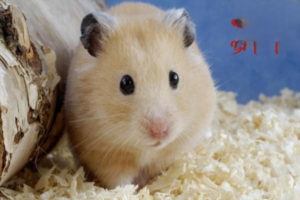
An Introduction to Common Dwarf Hamsters
The dwarf (three-line) hamster is common in pet shops; wild ones show three clear back lines with black fur around ears and eyes. Types include the Silver Fox (light coat, visible or invisible back line), Pudding (orange-striped, yellow or cream), Violet (lilac in sunlight, faint line), Milk Tea (milk-tea coat, weak, inbred), Robo (tiny, white whiskers, shy but non-biting and often co-habitable, needs sand baths), and Teddy Bear (golden-brown, variable coat, sheds seasonally). Dwarf hamsters are docile and good for beginners.

Why Does a Hamster Have Soft Stools?
Soft stool — yellow-green, soft, watery or mucus-coated, faintly smelly — differs from the normal dry black or dark-brown pellet. Causes: too much water (lots of fruit/veg or wet leaves), stress (fright, weaning, crowding, bad antibiotics), chills and colds, bedding or food allergy, or early wet tail (acute enteritis, with a clear or white mucus coat). Season changes raise risk, especially in prone hamsters.

What Causes Dog Dermatitis, and How to Prevent It
Dog dermatitis is skin inflammation from bacteria, fungi, or abrasions. When you see red rash, pustules, or crusting, treat promptly to stop it spreading. Here is what causes it and how to prevent it.