Search Results
2728 results for “coat color”

How to Calculate Your Cat’s Daily Water Intake
Cats evolved in arid environments and have a naturally weak thirst drive, so they often fail to drink enough — especially on dry kibble — which strains the urinary system. A practical rule is about 60 ml of water per kilogram of body weight per day, or roughly 1 ml per kcal eaten. Check skin elasticity, coat condition, and 2–3 daily urinations to gauge whether your cat is hydrated.

Treating Your Dog’s Skin Condition at Home
Dog skin problems trace back to bacteria, fungi, mites, vitamin gaps, or poor grooming, all worsened by low immunity. At home, clean the area, apply the right antifungal or antibacterial ointment, and add oral antibiotics or B vitamins for serious cases.
What Cat Ringworm Looks Like at the Start
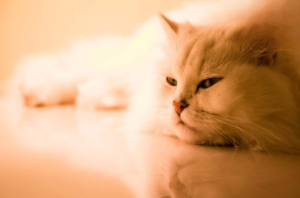
Cat ringworm is a contagious fungal infection that can pass to people, especially kids, the elderly, and pregnant women. Early signs are rough coat, patchy hair loss with scaling, and itching; treatment means isolation, nutrition, topical sprays, and vet care for severe cases.

Wolf-Dog Breeds and Their Appearance
'Wolf dog' isn't a single breed but a loose name for large, wolf-like dogs, often a cross of wild wolf and domestic dog. Common types include the Langqing, German Shepherd, and Black Back, each a strong, capable working dog.

Why Spring Parasite Control Matters for Pets
Spring is peak parasite season, and both internal and external parasites threaten pets and can spread to people. Deworm puppies monthly until six months, then every 2–3 months internally and monthly externally; use vet-recommended products and follow dosing carefully.

What to Do If Your Dog Catches Parvovirus (Parvo)
Canine parvovirus (CPV) is a highly contagious, often fatal disease of dogs, especially puppies, causing severe vomiting and bloody diarrhea. Treatment is supportive — fluids, antivirals, and symptom control — alongside vet care. The enteric form (most common) is described here, with a home med list including amoxicillin, probiotics, glucose, and an anti-nausea drug.

Dealing with Static Shock on Cats and Dogs in Winter
Dry winter air leaves pets with a coat full of static that snaps and surprises them. Raise indoor humidity with a humidifier and safe plants, use an anti-static brush, a moisturizing shampoo, and cotton clothing to keep the zap away.
How Weather Affects Your Cat’s Mood and Health
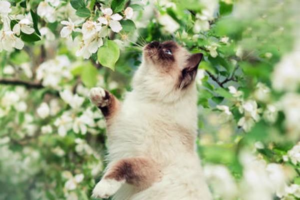
Cats feel weather as keenly as people do, storms, cold, heat, and humidity all shift their mood and health. Watch for heatstroke and hypothermia in extremes, and keep the home between 20 and 25 C with sun, warmth, and steady routine.

How to Prevent and Clean Dog Tear Stains
Tear stains form when excess tears overflow the nasolacrimal duct, and the iron in porphyrin turns them rusty red. Short-faced and light-coated breeds are most prone; manage them through grooming, diet, and treating the root cause like infection or allergy.

How to Make Egg-Yolk Chicken-Breast Floss for Pets
This protein-rich topper uses chicken breast and egg yolk; go easy on the yolk to avoid heat, shred the breast finely, and stir constantly while pan-drying so it does not burn.