Search Results
2728 results for “coat color”

Autumn Care Tips for Your Cat
Autumn raises three risks for cats: skin trouble from dampness, hairballs during shedding, and weak coats from poor nutrition. Good ventilation, grooming, supplements, and extra water keep your cat healthy through the fall.

Winter Care Guide for Your Cat
Cats feel the cold, so winter means a warm bed, warmed food and water, and sunlight for calcium. Guard against sharp temperature swings and keep your cat active indoors to support immunity.

What Makes the Komondor a ‘Mop Dog’?
The Komondor's corded, mop-like coat is no accident: herders once tended the strands by hand, and a wolf-line double coat let the breed grow far more hair than most. Those cords shield it from weather, predators, and skin harm.

How to Protect Your Cat From Parasites
Cats pick up fleas and lice from dirty surroundings or contact with infected animals. Regular parasite-control baths, a clean home, and prompt treatment keep these pests — and the illnesses they bring — at bay.

Keeping Your Cat Warm in Cold Winter
Cats have their own fur coat, but weaker ones still need help in winter. Cut outdoor exercise, add a warm layer, and keep drafts off the bed, and your cat will sail through the cold. A few simple habits prevent chill-related illness.

Do Hot Ears Mean Your Cat Has a Fever
Hot ears don't always mean fever. A cat's weak sweat glands make it heat up in a warm room, and thin ear skin warms fast, so offer water and shade first. True fever brings dullness, dry nose, and poor appetite, and a thermometer confirms it.

Why Your Cat Is Shedding
Both long- and short-haired cats shed daily, and you can't stop it, only manage it. Seasonal change, the wrong shampoo, or stress are the usual reasons, with endocrine disease a rarer one. Brush often, use a cat-specific wash, and comfort a stressed cat to cut the loss.

Sudden Shedding: Skin Problem or Just the Season
Every cat sheds, long- or short-haired, and you can't stop it completely, only reduce it by finding the cause. Seasonal change, the wrong shampoo, or stress are the usual reasons. Brush more during sheds and pick a cat-specific wash to protect the coat.

Is Your Cat Shedding Just From the Season
Shedding has many causes beyond the seasonal coat blow, from poor nutrition to mites and ringworm. Tell the difference by the pattern: even, whole-body loss is normal, while patchy loss with scratching needs treatment. Good food, isolation, and a clean home keep excess shedding in check.
Is Matted Cat Fur a Sign of Skin Disease
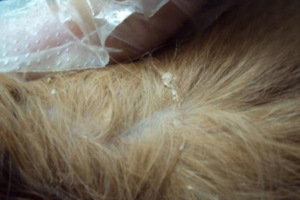
Matted fur isn't automatically a skin disease; often it just means the coat wasn't brushed. But mats trap moisture and oil, creating a breeding ground for infection, and ringworm or an old wound can also cause clumping. Regular grooming and the right ringworm care keep the skin healthy.