Search Results
2728 results for “coat color”

How to Use Revolution (Selamectin) on Cats
Dog flea or tick products are not recommended for cats, because certain ingredients are toxic to cats. However, the product Dog Revolution (selamectin) is safe for cats if the dose is appropriate. This article explains how to use the dog-strength product on cats to save money.

How to Massage Your Dog
Does your dog always seem tense, stiff, or even a bit irritable? A gentle massage can release pent-up emotion and negative energy, helping your pet become calmer and more relaxed. This article explains the benefits of canine massage and two basic techniques you can use at home.

Can Dogs Eat Popcorn?
Popcorn is a grain, a type of corn. When heated, the kernel expands and pops. This article explains that plain, air-popped popcorn can be a low-calorie snack for dogs in small amounts, but buttered or seasoned popcorn risks pancreatitis and choking.

Treatment of Chronic Kidney Failure in Dogs
Treatment of chronic renal failure (CRF) in dogs must be based on the severity, cause, secondary diseases, and other factors your veterinarian analyzes beforehand. The ultimate goal is supportive care while treating and eliminating infection, dehydration, and malnutrition. This article outlines the treatment options and home care.

Symptoms of Inflammatory Bowel Disease in Dogs
Canine IBD is a group of gastrointestinal diseases involving infiltration of inflammatory cells into the dog's gastrointestinal tract. IBD can affect the upper and lower digestive tracts and is the most common cause of chronic vomiting and diarrhea in dogs. The cause of IBD is not yet clear. This article covers its symptoms, diagnosis, and treatment.

How to Care for a Senior Dog
Senior dogs need grooming help, proactive pain management for arthritis, vet-prescribed NSAIDs or other pain meds, and quality supplements (look for the NASC seal). Vet visits every 6 months after age 10 catch problems early. You and your vet are a team for a pain-free life.
Cat Anatomy and Nutritional Requirements
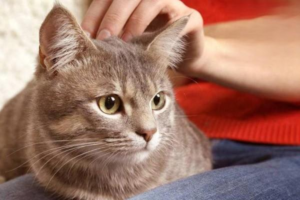
A cat's body has nine notable parts (limbs, eyes, teeth, paw pads, nose, tongue, claws, whiskers, ears), and its diet needs core nutrients: protein, fat, carbohydrates, water, crude fiber, magnesium, calcium, phosphorus, and taurine. As obligate carnivores, cats need animal-source nutrition.

How to Calculate a Dog’s Age (and What ‘Dog Years’ Really Mean)
A two-year-old dog is far older than two in human terms — but the old 'one dog year equals seven human years' rule is a myth. Here's how canine aging really works, and how to estimate your dog's age from its teeth, eyes, and coat.

How a Cat’s Eye Works
A cat's eye is built in three layers, the outer fibrous coat, the middle vascular layer, and the inner nerve layer, that focus light onto the retina. Rods and cones turn light into signals sent to the brain, giving cats sharp low-light vision.

Do Kittens Need Extra Warmth in Winter?
Cats feel the cold and are prone to illness when temperatures swing, so winter warmth matters. A monthly bath with thorough drying, warm clothing indoors, fresh air, and warm soft food all help keep a kitten healthy.