Search Results
2728 results for “coat color”
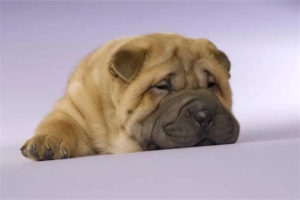
Why Is the Fur on My Dog’s Nose Bald?
Bald patches on a dog's nose can come from dry skin, over-licking, or simple rubbing during play, but if you also see flakes, red spots, scabs or inflammation, a skin disease is likely. First rule out health problems with a check-up. If the skin looks normal, use a moisturizer or a little edible oil, keep the area clean and dry, and stop excess licking. Severe or persistent cases need a vet.

Should You Shave a Dog With Skin Disease?
Whether to shave a dog with skin disease depends on the cause. Fungal ringworm, mange mites, severe inflammation and eczema often benefit from clipping so medicine reaches the skin and the area stays clean and observable. But allergy- or hormone-driven skin problems do not improve with shaving and may even weaken the skin's defences. Always have a vet examine the dog under a microscope first, then treat the cause, and keep the environment cleaned with disinfecting tools.
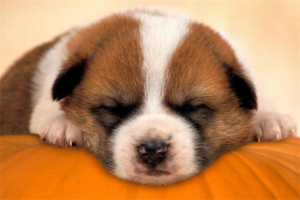
Keeping Your Dog Free of Skin Problems in Summer
Summer's heat and humidity breed bacteria and parasites, so skin trouble spikes. Bathe and dry the coat with a pet shampoo, avoid strong midday sun to prevent burns, and keep the living space clean and dry. Use a monthly topical preventive with selamectin or fipronil to block fleas, lice, mites and ticks, and feed vitamins and protein to lift immunity. See a vet for itching, hair loss or rashes.
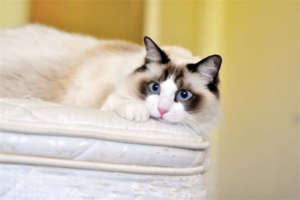
How to Reduce Heavy Shedding in a Ragdoll Cat
A Ragdoll's heavy shedding can stem from seasonal change, poor diet, weak care, stress or an underlying health issue. Brush regularly to stop mats, bathe on a sensible schedule with a gentle cat shampoo, and avoid salty or greasy food while adding omega-3 and vitamins for skin and coat. Keep the home calm and quiet, and if shedding stays severe, have a vet rule out skin disease, allergies, parasites or hormonal problems before treating.

How to Bathe a Rabbit Safely
Rabbits are timid and easily stressed, and a bath can lead to chilling and illness, so avoid frequent washing. For light dirt, spot-clean with a warm damp towel or use dry shampoo powder. Bathe only when truly dirty, using rabbit-specific products and drying the coat fully afterward. Never bathe a rabbit under six months or one that is sick or has diarrhea, and keep the ears dry to prevent infection.
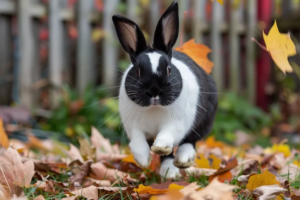
What Factors Affect a Rabbit’s Wool Production?
A rabbit's wool output depends on breed, sex, body weight, age, nutrition, and the season and temperature around it. Long-haired German-line rabbits usually produce the most fine wool, while females and neutered males tend to out-yield intact males, and rabbits between one and three years old are at their peak. Steady, balanced feeding with enough protein supports follicle growth, and cooler weather raises output. To boost production, choose strong breeding stock, use crossbred vigour, feed well, manage the environment, and harvest the wool on a sensible schedule.

Is Grain in Cat Food Always a Dealbreaker?
Grain in cat food is not automatically a reason to reject it. Grains supply fiber, vitamins, and minerals, and most cats digest these carbs fine, so there's no need to fear them. While gluten grains carry a higher allergy risk than potato or tapioca, grain allergy is far less common than allergy to beef, dairy, or chicken. Because cats are carnivores with limited amylase, though, lower grain content is better—and a few cats should skip grains entirely.
How Good Is Bobo Pet Dry Shampoo Powder?
Bobo dry shampoo is starch-based; rubbing lifts some oil and dirt and avoids chills in winter baths. But it cannot deep-clean very dirty dogs, and the fine white powder is hard to fully brush out, leaving residue on dark coats.
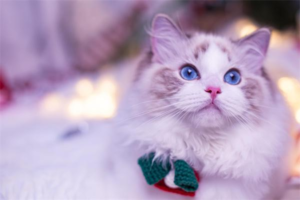
Downsides of Owning a Ragdoll Cat
Ragdolls are beloved but come with real drawbacks: heavy shedding that needs regular grooming, a large body that eats more and costs more, long fur that traps dust and food and spreads around the home, a clingy nature that demands attention, a higher purchase price, and a delicate stomach prone to diarrhea and vomiting. Their upsides, gentle friendliness, easy adaptability, and calm low-energy temperament, often make owners accept the extra work. Weigh the cons against your lifestyle before committing.

Clear Signs of Aging in Guinea Pigs
Aging in guinea pigs is easy to spot: loose skin, dull and thinning coat, heavy shedding, and slow walking. They live about 5 to 8 years and enter old age after 5, when body function and immunity fade and illness becomes more likely. Hearing, sight, and digestion weaken, so clear cage obstacles and adjust the diet. Seniors lose calcium and easily cramp or fracture, and their bite weakens, needing softer food and regular tooth trims plus extra vitamins.