Search Results
2728 results for “coat color”

What Are the Symptoms of Coccidiosis in Guinea Pigs?
Coccidiosis in guinea pigs starts quietly—low energy, poor appetite, and weight loss—then progresses to diarrhea with blood or mucus as the parasites steal nutrients and damage the gut lining. Left alone it leads to malnutrition, low blood sugar (weakness, wobbliness, collapse), and can end in shock or death. Some pigs show nervous signs like tremors or a tilted head, fever, and clear digestive distress. Diagnosis is confirmed by finding oocysts under a microscope; treatment uses anticoccidial drugs (sulfonamides, quinolones) at the vet's dose, plus fluids and electrolytes for support. Prevention is clean housing, disinfection, balanced feed, and good parasite control—so see a vet early rather than waiting.

Is It Unhealthy to Let Your Dog Sleep in Your Bed?
Letting a dog sleep next to you can hurt your sleep and health. Dogs hear and smell keenly and wake easily at small lights, sounds, or odors, then pace or bark and disturb you. The bacteria they carry can irritate your airways or skin, constant closeness can make the dog overly dependent and anxious, and there is a real risk of accidentally rolling onto or stepping on it. When possible, keep separate sleeping areas; otherwise vaccinate, deworm, bathe, and clean regularly, and move a sick dog elsewhere.

Bichon Frise: Pros and Cons to Consider Before Adopting
The Bichon Frise is a small, fluffy, friendly companion that rarely sheds and suits apartments and families. But it is not the easiest breed to live with: tear stains are almost inevitable, its curly coat needs constant grooming, it is prone to separation anxiety, and its delicate constitution means sensitive digestion and frequent dental issues. Weigh these pros and cons before bringing one home.
Signs Your Dog Is Getting Old
A dog's life spans only a little over a decade, and aging creeps in through everyday details rather than all at once. The earliest changes are white muzzles and cloudy eyes, followed by dental trouble, shifting personality, and less stamina. Because organ function declines with age, seniors also show digestive and urinary changes. Spotting these signs early lets you give your older dog the comfort and care they deserve.

What Are the Benefits of Sunbathing for Dogs?
Letting a dog bask in the sun in moderation is a simple way to boost its health and happiness. Sunlight helps the body make vitamin D, which drives calcium absorption and strong bones. It also acts like a natural antidepressant—easing stress, anxiety, and low mood while improving circulation and brain function. UV rays stimulate immune cells so the dog resists infections better, and mild exposure can calm skin inflammation, speed wound healing, and keep the coat shiny by reducing surface bacteria and parasites. The catch is moderation: too much sun, especially at midday, risks dehydration, heatstroke, and even skin cancer. Always offer shade and fresh water, and keep sessions short.
How can you tell if a dog has ascites (fluid in the abdomen)?
Mostly hepatic ascites: the body wastes while the belly swells and drops like a ball; appetite may stay good. Watch for continued weight loss, jaundice, labored breathing - then rush to the vet.
Can a Samoyed be kept on a budget?
No - its profuse white coat needs regular grooming/bathing/professional care, and it eats a lot of quality food. Not suitable for low-budget keeping.

Care Tips for Keeping a Border Collie
The border collie is the smartest dog breed, bright enough to outthink its owner, so patience and skill matter in training. As a large, high-energy dog it needs daily exercise, such as frisbee, to burn off energy and avoid destructive behavior. Groom its dense coat twice a day in shedding seasons, train with rewards not force, watch for hereditary issues like eye and hip disease with regular checks, feed by life stage, and deworm and vaccinate while avoiding Collie-sensitive drugs.

How to Safely Cuddle Your Cat and Stay Healthy
Cuddling and nuzzling a cat - playfully called "sniffing the cat" - is a way owners show affection, and cats are uniquely cuddle-friendly because they barely smell. Unlike dogs, whose whole-body sweat glands make them rank without baths, a cat's scattered glands and constant self-grooming, plus sunbathing that kills bacteria, leave little odor. But close contact is not risk-free: diseases in cat feces or on the coat can pass to people. These include toxoplasmosis, cryptosporidiosis, and roundworm (mostly a kitten worry), plus Q fever from Coxiella burnetii, flea-driven skin allergies, and rarely rabies or hepatitis. Enjoy the cuddle, but wash up after, keep indoor cats' litter clean, and be extra careful if you are pregnant or unwell.
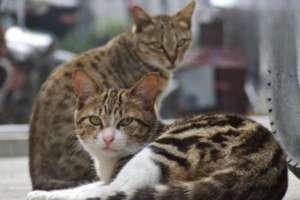
Why Doesn’t My Cat Throw Up Hairballs
Cats groom constantly, so they swallow hair - but not every cat throws it back up. Swallowed hair usually passes with food into the stomach and on through the intestines, leaving in the stool; only when the stomach flags it as a foreign body does the brain trigger a vomit. So a cat that rarely hacks up hairballs is often just moving the hair through normally. More frequent grooming can signal fear or stress. The real concern is hairball syndrome, where a matted clump blocks the stomach outlet and causes repeated violent vomiting and dehydration - see a vet if vomiting happens many times a day. Prevent it by regular brushing, trimming long coats, and hairball-control food with extra fiber.