Search Results
475 results for “cleaning ears”

Why Doesn’t My Dog’s Ears Stand Up?
Whether a dog's ears stand up depends on breed genetics, age (many stand between 4–6 months), calcium and overall nutrition, health issues like ear mites or infection, and even bad sleeping posture or rough play. Floppy or upright, it's normal—focus on ear health, not appearance.
Black Stuff in Your Cat’s Ears — Is It Ear Mites?
Ear mites produce dry, crumbly, coffee-ground-like debris that returns a few days after cleaning, plus itching and a faint sour smell. But Malassezia yeast, bacterial infection, or plain earwax can look similar — so a vet's ear swab is the only sure way to know.
How many years can a hamster live at most?
Hamsters live at most about 4 years, averaging 2 to 3. Fresh water, a clean cage and good food help them reach their limit; even a cold can be fatal without care.

Keep These Cleaning Products Away from Your Dog
Household cleaners carry more hazardous chemicals than you think, and they are far worse for dogs. Dogs spend nearly all their time on the floor, touching cleaners directly and absorbing them through paw pads and skin; even off the floor, their keen noses inhale the toxins. Five chemical groups to watch: ammonia (toxic, irritates the respiratory system; in glass/stainless cleaners, floor wax)—seek vet care if ingested. Chlorine/bleach (vomiting, diarrhea, burns, even seizures; in toilet/mold cleaners, detergent). Phthalates (linked to liver, testicular, pancreatic tumors; in nail polish, hairspray, soap, shampoo—avoid in dog toys). Glycol ethers (liver, nerve, digestive harm; in multipurpose/carpet/glass cleaners, hand soap; even 'natural' ones). Formaldehyde (irritates eyes/skin, slows breathing; in perfume, tissues, hand soap, nail polish). Also avoid 84 disinfectant (bleach-based, corrosive, causes chronic rhinitis).

How to Clean Your Dog’s Ears
Cleaning a dog's ears is harder than it looks—long canals mean a wrong move can rupture the eardrum. Wrap a small dog in a towel, wipe the flap and visible cartilage with a damp cotton ball or swab, never push into the canal, and reward after. For severe infections, let your vet do it.

Why Are My Cat’s Tears Red?
Normal clear cat tears can oxidize in air to a rusty red—that is harmless. But red tears paired with swelling, mucus, or eyes glued shut signal conjunctivitis from bacterial or viral infection and need cleaning plus vet-recommended eye care.

Why Your Dog Keeps Scratching Its Ears
Frequent ear scratching usually points to an ear problem—most often ear mites, a fungal infection, or a foreign object lodged in the canal. Spotting the signs early prevents a minor itch from becoming a painful infection or even hearing loss.
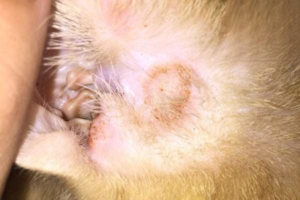
Fungal Infection in a Cat’s Ears
Ear fungus in cats shows up as scabs, hair loss, redness, flaking, and red patches, usually with relentless scratching. Clean the area, apply an antifungal spray and ointment, and disinfect the environment to stop it spreading.

Essential Medicines and Supplements for Cats
With the cat economy, cat ownership is rising fast. Whether bought or adopted, they are beloved companions. A word: since you keep it, be loyal, treat it well, love it.

How to Clean Different Parts of Your Rabbit
Rabbits should not be bathed often, so clean only the dirty spots. Paws, eyes, body, and ears each need a different approach, and recurring dirt or discharge can signal mites or disease that needs treatment.