Search Results
475 results for “cleaning ears”

Can Cleaning a Cat’s Ears with Cotton Swabs Make Infection Worse?
A cat's L-shaped ear canal means cotton swabs can't reach deep wax and may pack debris inward or injure the eardrum. Clean with ear solution and let the cat shake it out, check ears often, and use a reliable parasite preventive.

A Guide to Cleaning Your Cat’s Ears
Sometimes we see a cat pawing at its ear—then we must tell normal earwax from harmful ear mites.

So Much to Know About Cleaning a Dog’s Ears
Today we learn how to clean a dog's ears and why. You may not believe it, but a dog's ears can't self-clean; human wax eventually works out on its own, while a dog's complex canal needs you.
While cleaning its ears the night before last I gave some cat food; next morning it vomited food, so I fed less then withheld food and water. Later it vomited white foam; I gave omeprazole capsules and glucose. Still some vomiting and low energy, but this morning it played and seemed not too bad. It kicks when I pet its belly but just won’t eat, only drinks a little water.
White foam vomiting and poor appetite can come from indigestion, gastroenteritis, or parasites. After prolonged vomiting, give amoxicillin-clavulanate and probiotics, then easy liquid food; see a vet if no relief.
There’s some greasy, brownish discharge in the ear, no odor. The picture shows cotton swabs after cleaning both ears.
Dark ear wax suggests ear mites or Malassezia infection. A vet ear exam guides treatment; all ear disease needs cleaning, with different meds for Malassezia (compound nystatin) versus mites.
Last night I put ear-cleaning medicine on the cat (had used it a week before with no issue; it had scratched ears with black hard bits, then recovered). Yesterday I thought I’d apply again after months. Over an hour later the cat tilted its head; I put it in the kitchen. Today its neck is swollen, can’t lift its head, still head-tilt. What is this?
Earlier ear scratching with black bits, then head tilt and wobbling, suggests ear mites causing middle/inner ear infection and vestibular/nerve damage from late treatment. See a vet for correct diagnosis and treatment.
My 45kg Alaskan Malamute, almost 3, recently in heat and got demodicosis; ears are dirty and itchy after cleaning. A chewable worked then relapsed and worsened; eyes/mouth/feet have purulent crusts. Heard doramectin helps but unsure if safe for long-haired dogs and timing with the chewable.
Confirmed demodicosis is treated orally, by injection, or medicated baths. After relapse, a second deworming plus ivermectin injection is an option; dose by vet to avoid toxicity. Alaskans are NOT collie-type, so ivermectin is safe. Medicated baths and vitamins help; clean the environment.
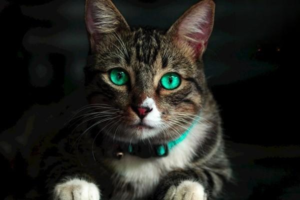
How to Clean Your Cat’s or Dog’s Ears
A buildup of ear wax or ear mites usually means cleaning has been neglected. A regular routine keeps the canals clear of dirt and moisture, prevents infection and parasites, and only takes a few gentle steps.

Why Your Dog’s Ears Turn Red and How to Clean Them
Red, inflamed ears usually point to dermatitis, yeast or ear-mite infection, or occasionally a growth that needs a vet. Clear loose wax with a vet-approved ear solution, and seek professional help if you notice a foul dark discharge or a firm lump.

How Often Should You Clean Your Cat’s Ears?
Clean a healthy cat's ears every one to two weeks — too often risks injury — but with ear mites, fungus, or bacteria, clean several times a week. The routine is cleaner, massage, let the cat shake, then wipe the outer canal; tell plain dirt from mites by the black, smelly, itchy discharge mites leave, and treat mites with a suitable drop plus monthly topical deworming.