Search Results
475 results for “cleaning ears”

How Long Do Monk Parakeets Live?
The monk parakeet, also called the Quaker parrot, is a popular medium-sized parrot that typically lives 15–20 years, and with good care some reach 25. Actual lifespan depends on diet, environment, genetics, and regular health checks. To help your bird live long and well, provide balanced food and fresh water, ample room to move, a calm and clean home away from harsh noise and light, and routine veterinary visits to catch illness early. Choosing a slightly older, sturdier young bird and meeting its daily needs are the best ways to support a healthy, lengthy life.

Can You Bathe a 2-Month-Old Kitten?
Bathing a 2-month-old kitten is generally not recommended. A kitten's immune system is still developing and its skin is delicate, so a bath can cause chills, skin irritation, or infection. At this age, routine cleaning—ears, teeth, and claws—is enough. If a kitten is genuinely dirty or greasy, a warm, damp cloth is safer than full immersion. Should a bath be truly necessary, keep the water warm, be gentle, avoid the eyes and ears, and dry the kitten thoroughly afterward to prevent chills. Here is what every new owner should know about the risks and the safer alternatives.

Summer Hazards for Cats
Summer is a rough season for cats. With poor sweating, they overheat fast - five minutes on hot asphalt, in a sealed space or on a sunny balcony can cause heatstroke: high temperature, fast pulse, panting, then dizziness, vomiting and coma. Move them to shade and cool with water or a fan, and rush to the vet if it does not ease. Warm weather also brings acute gastritis from spoiled food (limit water and feed easily digested fluids) and skin disease from fleas, mites and fungi - treat the cause and keep up prevention with cleaning and deworming.
What Causes Cat Acne?
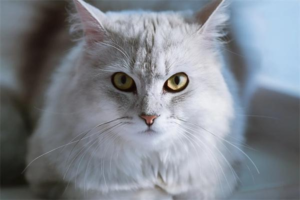
Cat acne, often called cat chin acne, is a common skin condition with no fully clear cause, though follicle inflammation and bacterial infection are the main suspects. Cats that eat wet or greasy food are more prone, and flat-faced breeds are at higher risk. It appears on the chin, neck, and face, and if the face is not kept clean, food residue builds up and clogs follicles. Left untreated it worsens. Treatment controls symptoms and removes the cause: ease stress, use topical and oral antibiotics as needed, keep the skin clean, and cut fat and carbs while adding vitamins A and E. Prevention focuses on hygiene and diet.

What to Know Before Getting Your Pet’s Teeth Cleaned
Like people, pets benefit from dental cleaning, which removes tartar and curbs bacterial growth, but they cannot understand the process, and cleaning is not as simple as it is for humans. Tartar speeds gum and bone loss and can loosen teeth early, and mouth bacteria can travel down the gut and stir up digestive trouble. Anesthesia-free cleaning cannot reach below the gum line and risks injury, while proper cleaning under general anesthesia, preceded by blood and organ checks, is safe and thorough. Daily care at home with a pet toothbrush or textured finger sleeve matters most, and human toothpaste must never be used.

Ringworm in Cats and Dogs: Symptoms and Treatment
Ringworm, or dermatophytosis, is one of the most common skin diseases in pets, caused mainly by Microsporum canis, M. gypseum, and Trichophyton mentagrophytes. It matters for public health because most strains are zoonotic, survive for three to four years in dry conditions, and resist ordinary disinfectants. Infection spreads by contact or contaminated objects, peaking in warm, humid weather. Signs are round patches of hair loss, redness, and scaling, usually without itch. Treatment uses topical and, for widespread cases, oral antifungals, plus environmental cleaning. This guide covers the cause, signs, and care.

Why Are Your Dog’s Eyes Red and Swollen?
Dogs are nearsighted and see few colors, but their eyes still reveal a lot about their health. Red, swollen eyes can come from something simple like a speck of dust or shampoo, an allergy to food or the environment, or infection by bacteria, fungus, or parasites after a scratch or fight. Built-in problems also play a role: eyelid malformation (entropion or ectropion) and misdirected lashes rub the eye and cause chronic irritation. Because redness can also signal illness such as a cold or distemper, a vet check is wise when signs persist.
How to Cure Cat Ringworm for Good
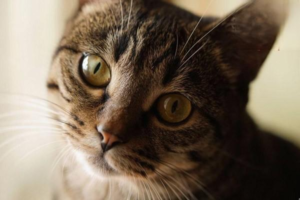
Ringworm is simply a fungal infection, so curing it means attacking the fungus at its root while strengthening the cat's own defenses. Some cats in the same home get it and others do not, and the difference is immune strength. This guide explains why ringworm appears, how to treat mild and severe cases, and how to stop it from coming back by boosting immunity and keeping the environment clean.

Preventing and Treating Cat Chin Acne
Black chin, or feline acne, is folliculitis like human acne, showing as coal-like specks on the chin and tail. Causes include too much dietary fat, heat-cycle hormone shifts, poor cleaning, and oily skin type. Mild cases clean with salt or green-tea water and antibiotic ointment; severe tail cases use diluted sulfur soap. Pet antiseptic wash also helps.

Why Does Your Cat Keep Licking You?
Cats lick themselves to clean, lick other cats to bond, and lick you for a mix of reasons. A cat's tongue is a built-in comb, but when it turns to you it may be tasting something interesting, showing deep trust, soothing anxiety, or even trying to clean what it sees as a dirty owner. Sudden compulsive licking can signal stress and is worth a closer look.