Search Results
11 results for “chinchilla handling”

Do I Need a Rabies Vaccine After a Chinchilla Bite With No Bleeding?
Chinchillas seldom carry rabies, so a bite that does not break the skin usually requires no vaccine. For larger wounds, consider plague and tetanus shots after first aid, and consult a doctor if in doubt. Understanding chinchilla behavior helps prevent bites.
Are Chinchillas Easy to Keep? Key Care Tips
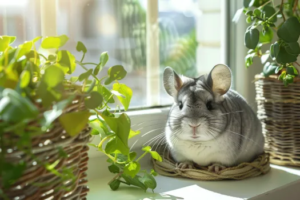
Chinchillas are gentle, clean, and low-odor herbivores that are fairly easy to care for, but they need a cool environment (15–23°C), a hay-based diet, and patient handling. This guide covers the essentials for new owners and the foods and habits to avoid.

What Are the Symptoms of Chinchilla Constipation?
Constipation is common in chinchillas and can lead to poor appetite, malnutrition, even intestinal blockage. Symptoms are easy to spot — small, hard, dark, misshapen, foul-smelling droppings, and in severe cases appetite loss and lethargy. Causes include poor diet, low water, and stress from over-handling; treatment focuses on hydration, fiber and gentle exercise.
What should you keep in mind when petting a chinchilla?
Pet a chinchilla gently from the front and never force handling, or it may become averse. Keep sessions moderate to avoid stress and respect its rest.

Do You Need a Vaccine After a Chinchilla Bite?
Chinchillas are plant-eating, cage-kept animals that do not carry rabies, so a bite that breaks the skin usually just needs washing, disinfecting, and letting it heal. A rabies shot is only worth considering if unvaccinated cats or dogs share the home.

What to Do When a Chinchilla Has Heatstroke
Chinchillas come from cold, dry, well-ventilated highlands, so they tolerate heat poorly and many die of heatstroke yearly. Cool them gradually and seek a vet promptly.
What are signs a chinchilla dislikes its owner?
A chinchilla that dislikes its owner ignores calls, may bite when touched, flees when approached, and refuses offered food. This is common right after coming home before it bonds.
How can you tell if a chinchilla has bonded with its owner?
A chinchilla that has bonded with you will approach willingly, tolerate handling without biting, respond to its name, and feel safe eating in your presence or from your hand. Timid by nature, such trust is a clear sign of attachment.

How to Choose a Cat Comb
Today I'll teach how to choose a cat comb. I summarized 14 points.

What Cat Breeds Are the Most Timid?
Several popular breeds—including the Siamese, British Shorthair, Chinchilla, and Persian—tend to be naturally shy and need a calm, stable home to feel secure. With patience and gentle handling, even a fearful cat can become a confident, affectionate companion.