Search Results
8 results for “chinchilla fracture”
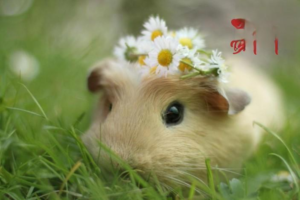
How to Tell If a Chinchilla Has a Fracture
Chinchillas fracture easily because they are born without a fibula, so their limb bones are weaker than other animals', and their lively jumping makes injury likely. This guide covers how to spot a fracture, the three fracture types, and how to prevent them.
What happens if you pull a chinchilla’s tail?
The tail is fragile; hard pulling can break or fracture it and injure the spine or rectum. A panicked, fleeing chinchilla can worsen the damage.
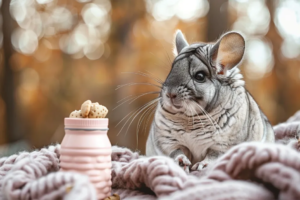
Can Guinea Pigs Live with Chinchillas?
No — guinea pigs and chinchillas should not share a cage. Their temperaments, diets, cage needs, and nutritional requirements differ, and an active chinchilla can injure a fragile guinea pig. House them separately for both animals' safety and health.

Why Are a Chinchilla’s Teeth Turning White, and What to Do
Normal chinchilla teeth are yellow to orange; white teeth usually mean calcium lack (low calcium, phosphorus, vitamins A/D), which also weakens bones and risks fractures. Fix with calcium syrup or child calcium tablets plus alfalfa and sun; prevent with quality pellets, extra calcium for pregnant and lactating females, and no over-supplementing.

Chinchilla Calcium Deficiency: Symptoms and What to Do
Signs of calcium deficiency are whitening teeth, poor appetite, weakness, and in severe cases fragile bones and fractures (even tremors and death from Ca:P imbalance). Fix the diet (alternate alfalfa and pellets 1:1); pregnant females need extra calcium, with vet-guided supplements if severe.
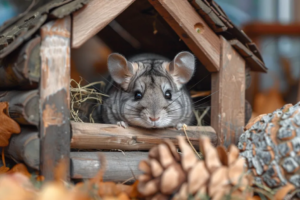
Why Is My Chinchilla Shivering? Common Causes and Fixes
A chinchilla may shiver from stress in a new, noisy home, from cold when the temperature drops too low, or from pain when it is sick or hurt. Calm and warm the environment for the first two; for pain—with signs like not eating, weeping eyes, fever, or reluctance to move—see a vet to find the cause. Most shivering falls into these three categories.

Silver Fox Rabbit
The Silver Fox Rabbit is a standard fur-breed rabbit with a soft, beautiful coat, but it has weak adaptability and has not been widely promoted or kept. Originating in the former Soviet Union, it is a precious fur-breed variety valued both for its pelt and as a pet.
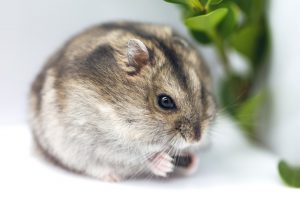
Winter White Dwarf Hamster
The Winter White Dwarf Hamster (Phodopus sungorus), also called the Djungarian hamster or Russian dwarf, is the easiest and tamest of the small hamsters and turns white in winter. A solitary species, it needs a safe cage, a wheel, and a careful diet free of onion, chocolate, and apple seeds. Lifespan 2–3 years.