Search Results
10 results for “chinchilla feeding”
How to Relieve Gas and Bloating in Chinchillas
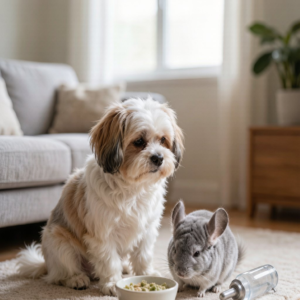
When a chinchilla is bloated, you can gently massage its abdomen to encourage gut movement and help gas pass. If the bloating persists or worsens, consult a veterinarian who can examine the cause and advise proper treatment. For chinchillas that bloat often, adjust the diet and offer more hay, since its fiber supports digestion and prevents gas. Feeding smaller meals several times a day instead of one large portion also slows eating and reduces digestive upset. This article covers the common signs of bloating and the practical steps you can take at home to help your chinchilla feel better.
Can a Chinchilla Eat Only Alfalfa Hay?
Feeding a chinchilla only alfalfa long-term leads to poor nutrition and health problems. Chinchillas are omnivores that need variety—grass hay, dried fruit, nuts, vegetables, and fruit—to meet all their needs. Needs also change with age: youngsters need more protein and calcium for fast growth, while adults need high-fiber hay to aid digestion and wear their teeth. Use alfalfa mainly for juveniles and shift adults toward timothy hay.
Why Is My Chinchilla Peeing Outside the Litter Box?
Chinchillas may urinate in the wrong places for several reasons—bad habits, low mood, estrus, territorial marking, or an underlying urinary infection. Each cause needs a different response. The key first step is to clean any accident thoroughly so the scent doesn't train your pet to reuse the spot. Feeding on a fixed schedule keeps a hungry or unhappy chinchilla calm, while separating cages and considering neutering curbs marking during heat. If urination becomes frequent or the urine looks dark, a vet check rules out infection.
Why Is My Chinchilla Losing Weight (and What to Do)
A chinchilla that grows thin usually points to poor nutrition, illness, stress, or its surroundings. Chinchillas are herbivores whose main food is grass, needing protein-rich, balanced feed—special pellets, hay, and a little fruit and vegetable. Long-term wrong feeding starves them of nutrients. Health issues like parasites, digestive trouble, or dental problems also cut how much they absorb, so a slimming chinchilla with a normal diet needs a vet. A damp, dirty, or noisy home kills appetite, and anxiety from frequent moves or other pets does too. Keep the diet balanced, the cage clean and quiet, and stress low to bring the weight back.
Chinchilla Twitching: Causes and How to Respond
Occasional mild twitching or trembling in a chinchilla can be perfectly normal—chinchillas often flick their faces to sense air currents and check for danger. However, repeated or severe twitching may point to a nutritional imbalance, chronic stress, or an underlying illness. Calcium or vitamin B1 deficiency, loud or bright stressful environments, and conditions such as liver disease, diabetes, epilepsy, or poisoning can all trigger muscle spasms. Because twitching can be an early warning sign, owners should observe their pet closely and seek veterinary care if the behavior is frequent or comes with other symptoms. A balanced diet, a calm and comfortable habitat, and stable temperatures are the best preventive measures.
How to Feed a One-and-a-Half-Month-Old Chinchilla
A chinchilla at six weeks is weaned and ready to come home, but it is still fragile and needs careful feeding. Base the diet on hay and chinchilla pellets, with alfalfa hay as the young staple and the occasional timothy hay to ease the gut, and avoid treats before eight months. Feed small amounts several times a day, always provide fresh water via a bottle, keep the cage dry and clean, and give a multi-level cage with a wheel and regular free time.

What to Do When Your Chinchilla Has Gas and Bloating
Chinchilla bloating usually comes from eating too much or too fast, poor nutrition, or digestive disease. When it happens, stop feeding briefly to ease the gut, and avoid large single meals going forward. Raise the hay ratio in the diet to add fiber and support gut movement, and gently massage the abdomen from left to right and top to bottom to help expel gas. If bloating is severe or recurring, add a pet probiotic to balance the gut flora and aid digestion. Keep the cage clean, control portions, and provide space to exercise so gas problems are less likely to return.

White Chinchilla
The white chinchilla is a coat-color morph of the chinchilla (Chinchilla lanigera), native to the Andes of South America. It likes dry, cool, dim places, is nocturnal, gentle and very timid, and commands a higher price for its pure white coat.

Standard Gray Chinchilla
The Standard Gray Chinchilla — the original 'Totoro' — is a vegetarian rodent from the high Andes of South America. Gentle, clean, nearly odorless and long-lived (8–10 years), it needs a cage, dust baths, constant chewing material, and careful protection from heatstroke.
Winter White Dwarf Hamster
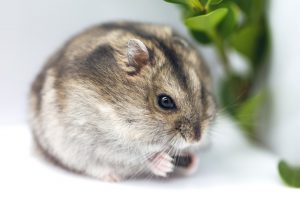
The Winter White Dwarf Hamster (Phodopus sungorus), also called the Djungarian hamster or Russian dwarf, is the easiest and tamest of the small hamsters and turns white in winter. A solitary species, it needs a safe cage, a wheel, and a careful diet free of onion, chocolate, and apple seeds. Lifespan 2–3 years.