Search Results
516 results for “cat worms”
What Do Silver Arowanas Love to Eat Most?
Silver arowanas love live food, including small fish, shrimp, loach, mealworms, and superworms. They are carnivorous, eating small fish, crustaceans, and aquatic insects in the wild, and occasionally frogs and landed insects.
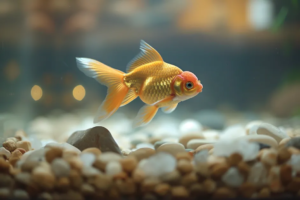
How to Treat Internal Parasites in Arowana?
The first-choice drug for internal parasites in arowana is fenbendazole, which kills most internal worms. It works well but is highly toxic with side effects, so many keepers fear it; the key is the correct dosage. Our veterinarian mainly introduces its usage, hoping to help.
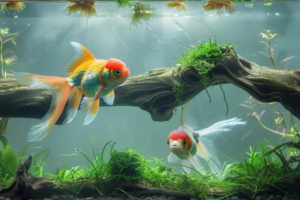
What Are the Causes of Arowana Enteritis?
Enteritis is also common in arowana and hard to fully avoid. Learning causes and treatments of common diseases helps prevention and timely care. Our veterinarian introduces the causes and treatments of arowana enteritis, hoping to help.

Favorable Conditions for Arowana Coloration
Good arowana color rests on five pillars: a pure bloodline, stable and clean water, a dark yet well-lit tank with combined top and side lighting, varied and nutritious feeding, and a balance of slow and fast growth. Patience is essential, because coloration is a long, gradual process.

How to Deworm a Parrot and How Often
Hand-raised parrots that aren't dewormed regularly can fall prey to fleas, lice, coccidia, trichomonas, and other internal and external parasites. This guide covers practical parrot deworming methods—external baths and sprays, plus internal medications—along with a safe yearly schedule.

Do Parrots Need Deworming? How to Tell If Yours Does
Parrots can host feather mites and internal parasites even when they look clean, and some breeds—such as monk parakeets—are especially prone to worms. Regular deworming protects both your bird's health and your own, since handling a pet can pass parasites to people. This guide explains when parrots need deworming and the signs that indicate it's time.

What Causes Chinchilla Enteritis?
Enteritis is a leading cause of chinchilla death, usually from unsuitable food. Types include viral, fungal, bacterial, parasitic, dietary, wind-cold, and antibiotic-induced, each needing different treatment.
What does a pet hedgehog eat?
Wild hedgehogs eat invertebrates, small vertebrates, weeds, and fruit. Pet hedgehogs can eat specialized hedgehog feed plus moderate meat and produce; treats like caterpillars, beetles, snails, worms, and nuts (peanuts, almonds, walnuts) but only as snacks, not too much.
My two-month-old kitten is very thin with ongoing watery diarrhea and coughing, has a good appetite, and variable energy-what could cause this?
A thin kitten with persistent watery diarrhea and coughing may have digestive issues, parasites (roundworms, hookworms), viral infection (distemper), or upper-respiratory/cat-flu/calicivirus disease. Because symptoms persist, get a full exam: blood, fecal, X-ray, and respiratory PCR.
What do hedgehogs eat?
Hedgehogs are omnivores, mainly eating insects and earthworms plus some small animals and vegetables. Pet hedgehogs do well on specialized feed with added live prey and produce.