Search Results
939 results for “cat vomiting causes”
Diagnosing and Treating Feline Idiopathic Cystitis (FIC)
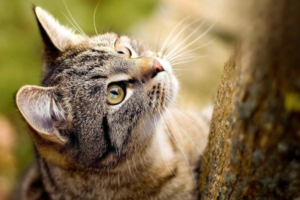
Feline idiopathic cystitis, or FIC, is a common lower-urinary-tract disease in cats whose exact cause is still unknown, yet it is the single most frequent diagnosis in young cats, affecting roughly 50 to 60 percent of cases. It is linked to a defective bladder lining, nerve-driven inflammation, and stress. Because there is no single definitive test, veterinarians diagnose it by exclusion, using the history, urinalysis, blood chemistry, and ultrasound. Most episodes ease on their own within five to seven days, but treatment focuses on pain relief, protecting the bladder lining, litter-box management, more water, prescription food, and reducing stress.

Symptoms and Treatment of Gastroenteritis in Dogs
Gastroenteritis is the general name for acute or chronic inflammation of the stomach and intestinal lining. Because dogs and cats are meat eaters, the causes are many, from bacteria, viruses, and parasites to drugs and bad food, so diagnosis must be precise. Most cases show on-and-off vomiting and diarrhea, with foam or yellow bile in the vomit. A vet should treat it early, with care centered on fasting, fluids, nutrition, and stopping the vomiting and diarrhea.

What Are the Symptoms of a Dog Cold?
Dog cold symptoms mirror those of cats and people—mostly upper-respiratory: sneezing, runny nose, cough, and fever. A bacterial cold usually comes from getting chilled (sudden temperature drops, high humidity, or a wet coat after a bath) and is often mild, sometimes needing only simple care; with Bordetella infection a dog will cough. A viral cold demands attention—the top suspect is distemper, whose signs span the respiratory, digestive (vomiting, diarrhea), nervous (loss of balance, head tilt, tremors, seizures), and skin (pustular rash, thickened nose/paw pads) systems. Know the difference so you can act fast.

Treating Hookworm Infection in Dogs
Hookworm disease in dogs is caused by the dog hookworm (Ancylostoma) and the narrow-head hookworm (Uncinaria). These small parasites latch onto the intestinal wall and feed on blood; severe infection causes pale mucous membranes, weight loss, a rough coat, poor appetite, vomiting, and alternating diarrhea and constipation with bloody, tarry, foul stools. In puppies, skin invasion causes inflammation, and infection in 3-week-old pups can cause fatal anemia. Treatment starts with deworming—an injectable antiparasitic against hookworms, with pyrantel or levamisole also used for killing—and severe cases need supportive care such as iron supplements or a transfusion for anemia.
Dog Enteritis Causing Bloody Vomit: What to Do
Bloody vomiting and stool from dog enteritis has two main causes. Infectious (contagious) enteritis needs immediate isolation and clinic treatment—it is highly contagious and requires targeted medication, with a course of about 7–14 days. The gastroenteritis type has a lower death rate, a 3–5 day course, and is treated with fluid therapy and symptomatic care.

Senior Dog Vision Fading? Foods That Protect the Eyes
Eye disease is common in dogs—conjunctivitis, keratitis, glaucoma, cataracts—and over half of dogs past ten develop cataracts. Diet can slow that decline. Vitamin A from liver and carrot supports night vision; antioxidants like lutein, vitamins C and E, and anthocyanins guard the retina; omega-3 from fish eases dryness. Avoid overdoing vitamin A or raw food, and get seniors checked yearly.

Why Is Your Dog’s Gum Pale? Don’t Ignore It—It Could Signal These Illnesses
A healthy dog's gums are pink and refill quickly after a light press. Pale or whitish gums often mean the body isn't getting enough oxygen—usually because of anemia or an underlying chronic disease. The causes range from nutritional and blood-loss anemia to kidney or liver problems and infections. Because pale gums can point to something serious, they deserve a prompt check rather than guessing at home.

How Deadly Is Canine Parvovirus? It Comes Down to Three Factors
Canine parvovirus is a highly contagious disease that can kill, but the outcome is far from fixed. Survival depends largely on the virus strain, the dog's age and immune status, and how quickly treatment begins. While reported mortality ranges from around 10% to 80%, prompt veterinary care can push survival above 70%. Understanding the risk factors and acting fast makes the single biggest difference for a sick dog.
How to Prevent Pica in Rabbits
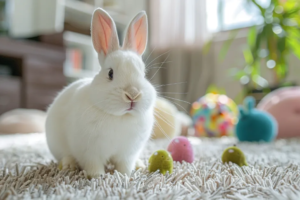
Pica is when a rabbit eats non-food items like fabric, plastic, paper or wires, often from unbalanced fiber, lack of chew material, stress, boredom or loneliness, or an underlying problem such as overgrown teeth or gut parasites. Prevent it with plenty of hay and fresh vegetables, clean bowls, safe chew toys, tunnels and climbing spots, and regular social contact and affection. If diarrhea, constipation or vomiting appears, see a vet, since digestive disease can drive the behavior.

Why Does Dog Poop Start Dry Then Turn Loose?
When a dog's stool is dry at the start and loose at the end, it means the gut absorbed water unevenly: the first part sat long and dried out, while the last part moved through too fast to dry. Common, mild causes are diet change, holding stool too long, stress, or gut-flora imbalance. Persistent cases or those with blood, vomiting, or pain can signal megacolon, colitis, or other illness and need a vet.