Search Results
937 results for “cat vomiting causes”

What Are the Causes of Cat Vomiting?
What to do when a cat vomits? Observe what the cat threw up, how much, the color, when it happened, and its mental and drinking state, as well as how many times it vomited. Let's look at the causes of cat vomiting.

Common Causes of Vomiting in Cats
There are many reasons a cat may vomit—conditions such as hairballs, parasites, viral infections, and physiological reactions can all cause vomiting. Below we explain in detail what can lead to vomiting in cats.

All the Causes of Cat Vomiting
What causes cat vomiting? It's usually food or gut disease, but also poisoning or internal parasites. Here are 12 causes to help you solve it targetedly.

Why Is Your Cat Vomiting? Common Causes
Occasional vomiting may be normal, but frequent vomiting needs attention. Causes include hairballs, parasites, food issues, and urinary blockage — judge by the vomit, frequency, and energy level.

What to Do When Cat Gastroenteritis Causes Vomiting
Gastroenteritis is common in cats, and vomiting is its hallmark sign. The key response is to withhold food and water until the vomiting stops, then reintroduce small amounts of water and easily digested food. See a vet promptly, keep the environment clean, and avoid temperature swings and irregular feeding.

Cat Vomiting Yellow Fluid and Undigested Kibble: Causes and Care
When a cat throws up yellow fluid and undigested kibble, weak intestines, especially in kittens, are often to blame. If lethargy and appetite loss accompany it, rule out feline panleukopenia with a vet. Otherwise the usual causes are simple indigestion from irregular feeding, intestinal parasites, or gastroenteritis from spoiled food. Manage mild cases with a pet probiotic and a short fast, treat parasites with a dewormer, and seek a clinic if it persists beyond 24 hours.

Cat Vomiting: Causes and How to Tell What’s Wrong
Cat vomiting has dozens of causes—from eating too fast and hairballs to infections, toxins like lilies, and organ disease. Telling active vomiting from passive regurgitation, then reading the vomit, frequency, and your cat's energy, narrows the cause before a vet visit.

Pet Vomiting (Part 3): Vomiting from Internal Parasites and Toxicity in Dogs and Cats
Internal parasites living in a dog or cat's gut irritate the intestinal lining and trigger vomiting, sometimes expelling visible worms. Food poisoning causes far more violent vomiting along with seizures and drooling, and demands immediate induced vomiting and gastric lavage. Routine deworming and keeping toxic foods — onions, grapes, chocolate, macadamia nuts — out of reach are the best defenses.
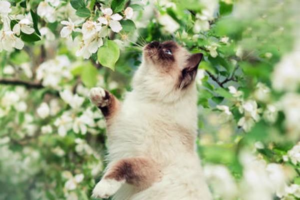
How Weather Affects Your Cat’s Mood and Health
Cats feel weather as keenly as people do, storms, cold, heat, and humidity all shift their mood and health. Watch for heatstroke and hypothermia in extremes, and keep the home between 20 and 25 C with sun, warmth, and steady routine.

What You Should Know About Vomiting in Cats and Dogs
Vomiting in pets splits into physiologic, from eating too fast or wrong food, and pathologic, from disease. Causes range from diet and gut issues to toxins and organ disease, and the timing of vomiting hints at the source, so see a vet when signs persist.