Search Results
939 results for “cat vomiting causes”

How to Tell Cat Distemper from Gastroenteritis
Cat distemper (panleukopenia) runs in stages — latent, then falling appetite, then vomiting and diarrhea with dehydration and fever, then a critical phase with watery stool and anemia. The key point: distemper is a viral gastroenteritis, far more dangerous than ordinary gut inflammation.

Why Cats Vomit: Common Causes by Severity
Not all vomiting is harmless — while hairballs and eating too fast are normal, persistent or severe vomiting can signal parasites, foreign objects, or serious organ disease. Know the three types of throwing up and the warning signs that mean a trip to the vet.

Can Cats Eat Eggs
Yes — cats can eat eggs in moderation (no more than about 10% of the diet, a couple of times a week). They're a digestible source of protein, taurine, and vitamins, but never feed them raw, and skip them for obese cats, egg-allergic cats, or kittens not yet on solids.
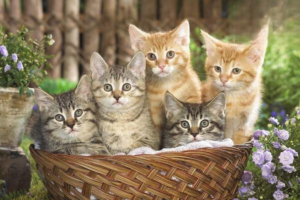
The Dangers of Feeding Raw Meat to Cats
Domestic cats no longer match their wild ancestors, and raw meat carries bacteria and parasites that threaten both cat and owner. Beyond raw meat, milk, shellfish, raw eggs, and excess liver are common foods that can sicken a cat.

Is Cat Vomiting a Sign of Illness?
Vomiting is often a cat's self-defense to expel something harmful, not automatically sickness, but the content tells the story: bile from empty stomach, hairballs, undigested food, parasites, or blood each point to different causes. Watch for lethargy and seek care if vomiting repeats.

Understanding Kidney Disease in Cats
Cats are built to conserve water, so chronic kidney disease is nearly universal in older cats and a leading cause of illness. Watch for early signs like increased drinking and urination, keep water and wet food available, and catch problems early with routine blood and urine tests.
Can Cats Take Children’s Cold Medicine?
Never give a cat human cold medicine, even children's formulas often contain acetaminophen, which is highly toxic to cats and can be fatal in small amounts. Confirm the cause of the cold, support mild cases at home, and use vet-prescribed antiviral or antibiotic care for serious ones.

Five Common Cat Feeding Mistakes
Many well-meaning feeding habits actually harm cats, fish bones, lactose-laden milk, liver as a staple, overfeeding, and kibble-only diets all create health risks. A balanced diet with wet food, controlled portions, and the occasional fruit or vegetable keeps a cat healthy.

Can a Cat Recover from Feline Distemper on Its Own?
Feline distemper (panleukopenia) almost never clears without treatment; only a "false" case, where a vaccinated or robust cat carries the virus without symptoms, can be managed by boosting immunity. The virus is highly contagious, survives in the kidneys for over a year, and causes appetite loss, fever, vomiting, and diarrhea, so veterinary care and strict hygiene are essential.
Why Is Your Cat Having Diarrhea and How to Treat It
Before reaching for medicine, rule out simple causes — a dirty water bowl, spoiled food, a chilly room (keep it near 26°C), a too-fast food switch, a grain allergy, or stress. If diarrhea persists despite a cat probiotic, suspect parasites and deworm; if it worsens within a day or two with vomiting, it could be something serious like panleukopenia and needs a vet immediately.