Search Results
106 results for “cat vision”
What If Your Cat Won’t Cover Its Poop?
Some cats 'ghost-scratch'—clawing the box wall or floor beside the mess without covering it. Covering is both instinct and a learned skill, best picked up from the mother between 3 and 8 weeks. If the mother was a poor teacher, the kitten learns the motion but not the result. Improve it with deeper litter (8–10 cm), a larger box (room for four cats), supervised repeat practice, and a skilled feline role model to demonstrate.
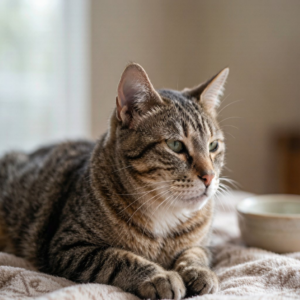
Why Does My Cat Always Lie Down? Understanding Feline Arthritis
If your cat spends most of its time lying down, walks with a limp, or refuses to be touched on the hind legs, it may be suffering from arthritis—a condition that affects up to 90% of cats as they age. Arthritis is the inflammation and degeneration of joint cartilage, most often secondary (degenerative) arthritis, which worsens as cats grow older. Cats are masters at hiding pain, so signs like reluctance to jump, reduced grooming, increased sleeping, and irritability can easily go unnoticed. Causes include aging, genetics, obesity, injury, and acromegaly. Treatment combines veterinarian-supervised medication (NSAIDs such as meloxicam), weight management with omega-3 and glucosamine supplements, and environmental adjustments like steps and soft bedding. Prevention starts with a healthy diet and keeping your cat lean.
How to Choose a Cat Food Flavor Your Cat Will Love
The cat-food aisle is overwhelming, but the best choice meets both your cat's health needs and their natural preferences. Cats are born meat-eaters and famously love fish, because fish supplies the amino acids they cannot make themselves—deficiency causes rapid weight loss and failing vision. This article explains why fish-based and poultry recipes appeal to cats, what nutrients (vitamin A, taurine, quality protein) support skin, coat, and eyes, and how to read labels to pick a complete, balanced food your cat will actually enjoy.
What Is Stomatitis in Cats and What Are the Symptoms?
Feline stomatitis is inflammation of a cat's mouth, caused by various local irritants or systemic diseases, and may be localized or widespread, primary or secondary to another condition. It's an umbrella term covering glossitis, gingivitis, and mucosal inflammation. Signs include poor appetite, drooling, painful chewing, red swollen gums, and bad breath; severe cases show blisters and ulcers. The cause is unclear but likely immune-mediated. Treatment is either medical (chlorhexidine rinses plus antibiotics and corticosteroids under veterinary supervision) or, for stubborn cases, extraction of the premolars and molars — sometimes a full-mouth extraction.
What Injections Does a Cat with a Cold Need?
Never give a cat cold medicine or injections blindly. For anti-inflammatory or antibiotic shots, a vet must diagnose first—injecting without guidance can harm the cat. An ordinary cold shows sneezing, runny nose, and watery eyes, sometimes fever, with little change in spirit or appetite. A viral cold (upper-respiratory infection) brings cough, congestion, sneeze, fever, thick nasal discharge, heavy eye discharge, conjunctivitis, and mouth ulcers; it's more severe, can block tear ducts and cause light aversion and hiding, even vision loss and refusal to eat. When to inject: high fever needs an antipyretic shot (vet-guided); viral colds get antiviral fluid; severe secondary infection needs the right antibiotic; serious dehydration needs subcutaneous glucose. Leave all injections to a professional.
Is it good to feed cats chicken breast?
Chicken breast is very suitable for cats: it is low in fat, high in protein, easy to digest, and rich in vitamins. Fed in moderation it supplements nutrition and supports immunity without the risk of obesity. Small amounts of chicken liver (vitamin A) and egg yolk (lecithin) can further benefit vision and coat health.

Senior Dog Vision Fading? Foods That Protect the Eyes
Eye disease is common in dogs—conjunctivitis, keratitis, glaucoma, cataracts—and over half of dogs past ten develop cataracts. Diet can slow that decline. Vitamin A from liver and carrot supports night vision; antioxidants like lutein, vitamins C and E, and anthocyanins guard the retina; omega-3 from fish eases dryness. Avoid overdoing vitamin A or raw food, and get seniors checked yearly.

How Do Dogs Catch Heartworm?
Dogs usually get heartworm from a mosquito bite. The insect takes in tiny larvae from an infected animal, the larvae mature inside the mosquito, and the next bite passes them into a new dog, where they travel to the heart and lungs and grow into adults. It can also pass from a pregnant mother to her puppies. Prevent it with yearly testing, monthly preventive medication, and keeping the dog away from mosquito-heavy areas; treat confirmed cases with vet-prescribed drugs or surgery.

How Cats Recognize Their Owners
Cats identify their person through several senses at once. Their vision is poor and near-sighted, so they rely more on motion than on faces. A keen sense of smell lets them remember your scent, and sharp hearing picks out your unique voice. Sensitive paw pads register the vibration of your footsteps, and memory of your habits and gestures seals the recognition. Building the bond takes daily feeding, play, and reward-based correction rather than punishment.

Anterior Uveitis (Iridocyclitis) in Dogs and Cats
Anterior uveitis is inflammation of the iris and ciliary body in dogs and cats, causing pain, redness, and light sensitivity. It may arise from eye trauma, infection, or disease elsewhere in the body and requires prompt treatment to protect vision.