Search Results
131 results for “cat territorial”

Why Does a Cat Guard Its Food?
Many owners see their cat guarding food. The causes include insufficient food, early weaning, territory disputes, or instinct. Here is why cats guard food and how to address it.
A newly introduced cat keeps fighting with the resident cat
Cats are solitary with strong territory instincts and keen smell, so fighting between a newcomer and the resident before they know each other is common. For serious fights, separate the newcomer in its own room to adjust, then let them see and smell each other through a door gap or safe barrier, gradually increasing contact until they adapt, then remove the barrier.
How long until an old cat accepts a new cat?
An old cat may accept a new one within a week if both are gentle, but a dominant cat needs much longer. Separate them at first.
Cat Suddenly Went Crazy Biting People
Sudden biting may come from heat, mood instability, stress, or rabies. Hormonal heat raises territoriality and irritability.

Japanese Paradise Flycatcher
The Japanese Paradise Flycatcher, also called the Japanese paradise flycatcher, is a medium-sized songbird. It has a fiercer temperament, strong territoriality, and likes to sing. If kept at home, it is best tamed well from a young age, or it will easily disturb the neighbors.

Why Does My Cat Keep Lifting Its Butt?
A cat lifting its rear can be a normal reflex — many cats instinctively raise their hindquarters when their bottom is touched. It can also happen during heat, when feeling relaxed, or as a form of greeting. This article covers the common reasons cats lift their butt.
Why Does My Cat Like to Sleep Next to Me?
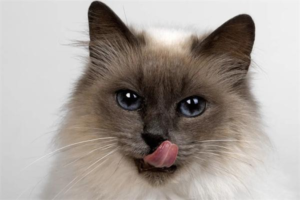
A cat may curl up next to you for several reasons: warmth, a sense of security, social bonding, access to resources, and marking territory. Cats like warm, safe spots, and your body heat provides comfort - one reason they snuggle close. They may also be leaving their scent on you to claim you as theirs.

Where Do Cats Like to Hang Out?
Cats gravitate toward soft, warm, comfortable spots that make them feel safe—cozy beds, sunny windowsills, high perches, quiet corners, and dim hideaways top the list. Giving a cat a dedicated activity zone and private retreats satisfies these instincts and reduces stress.
What Are the Signs of a Spoiled Cat?
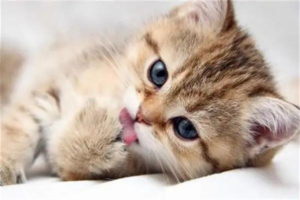
A spoiled cat often shows clinginess, finicky eating, aggression, and constant demands for attention—behaviors rooted in over-indulgence rather than affection. Left unchecked, long-term pickiness harms nutrition and immunity, while possessiveness can turn into aggression toward people or other pets. Restoring balance means respecting the cat's independent nature, setting clear rules, and providing a stable, enrichment-rich environment.
What if two cats kept together keep fighting?
Cats are solitary with strong territorial instincts, so fighting is common. Separate aggressive pairs with a barrier so they learn each other's scent, then remove it once they stop attacking.