Search Results
810 results for “cat space”

Can Canine Distemper Spread to Other Dogs?
Canine distemper is a highly contagious viral disease that spreads mainly through airborne particles between dogs, as well as to foxes, wolves, and similar animals. Unvaccinated or immunologically unprotected dogs are especially vulnerable, so isolation and thorough disinfection are essential when a case appears at home.

What to Do If a Newborn Kitten Gets Ringworm
Newborn kittens catch ringworm easily because their immune systems are still weak. The response is the same as for any cat: isolate, treat the spots gently, boost nutrition, and keep the environment clean, but with extra care given their tiny size.
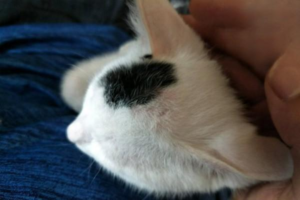
What Those Hard Lumps on a Kitten’s Head Mean
A hard, painless white lump on a kitten's head that neither grows nor fades is often a sign of ringworm. Ringworm comes from contact with fungi like Microsporum canis or Trichophyton, thriving in damp, dirty places. It causes scaly spots and hair loss, is contagious to people, and needs vet care plus topical antifungal ointment and good hygiene.

Kitten With Pus in the Eyes, Can’t Open Them, and Sneezing
A kitten with pus-filled eyes, stuck-shut lids, and sneezing is often fighting feline herpesvirus (rhinotracheitis), not just a cold — and it can be fatal if ignored. Isolate and disinfect the space, give lysine and vet-prescribed antibiotics, and use eye drops for the conjunctivitis. Act quickly, since kittens have little immunity.

How to Treat Red Bumps on a Labrador
Red bumps on a Labrador usually come from mites, fungal infection, vitamin deficiency, or poor coat care — not random, and good hygiene prevents most. Treat the specific cause, feed a bland diet, keep the dog cool and the environment disinfected, and see a vet for widespread bumps.

How Long Does Ringworm Take to Heal After Treatment?
Ringworm is a fungal skin infection that usually clears with proper treatment in about a month, though full hair regrowth can take a few months. Recovery time depends on how far it spread, the cat's immunity, the medication used, and whether an Elizabethan collar is worn consistently. Prevention through good nutrition, vitamin B, and a dry, clean environment matters more than treatment.

What Causes Fungal Infections in Dogs
Fungal skin infections in dogs are driven by damp living conditions, poor bathing habits, and weak immunity from a limited diet. Spotting the ring-like patches early, applying antifungal care, and isolating the dog keep the infection from spreading to other pets and people.

Why Your Dog Itches and Won’t Stop Scratching
Constant scratching usually means the skin itches, and the cause can be sarcoptic mange, fleas, an allergy, the environment, or the wrong shampoo. Watching the exact symptoms tells you which it is, so you can treat the real trigger rather than just the itch.

What to Do When Your Dog’s Skin Is Ulcerating and Oozing
Skin disease can progress to ulceration and oozing—often pyoderma—if left untreated, leaving a dog miserable and off its food. Clip and disinfect the spot, apply vet-prescribed medication, and prevent recurrence through parasite control, dryness, and a clean environment. Prevention beats cure.

How to Treat Folliculitis in Dogs
Folliculitis shows up as red, swollen skin with tiny black specks at the hair roots that come off easily when wiped. Mild cases respond to gentle cleaning and an antibiotic ointment; severe ones need a vet visit or medicated bath. Keeping the coat dry and clean is the best prevention.