Search Results
810 results for “cat space”

Cat Trivia: Fun Facts Every Cat Owner Should Know
Not every cat owner knows these fascinating feline facts - how many of them did you already know?

Seasonal Cat Care: What to Watch for in Spring, Summer, Autumn and Winter
Cats show different needs with each season. Adjusting your care to these changes helps your cat grow up healthier. Here is what to know about seasonal feline care.

Why Cats Cover Their Faces While Sleeping
Cats sleep in all kinds of strange positions. Have you noticed your cat likes to sleep with its face covered? Is it shyness? What is the real reason?

How to Help Your Cat Live a Longer, Healthier Life
A cat's longevity depends on weight control, a healthy gut, antioxidants, muscle mass, and skin health. Support these through quality protein, targeted supplements, and daily activity.

Why Do House Cats Fight — and How to Stop It
Not every scuffle between household cats is a real fight — many are play or posturing. You can tell a genuine fight by signs like flattened ears and flying fur, and you can reduce conflict by enriching the environment and sharing your attention evenly among the cats.
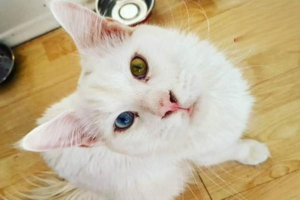
Pharyngitis in Cats and Dogs
Pharyngitis in cats and dogs is inflammation of the pharyngeal mucosa or deeper tissues. Its clinical signs are drooling, difficulty swallowing, and a swollen, sensitive throat. It is especially common in short-faced dog breeds because their long soft palates or everted saccules cause reflux of food or water. Here is a detailed look at its causes, signs, and treatment.
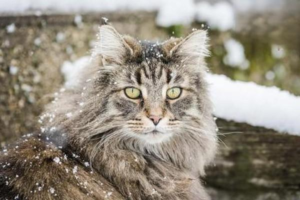
Can You Cut a Cat’s Whiskers?
A cat's whiskers aid spatial judgment, balance, and well-being, so they should never be cut casually — only for facial surgery. If cut, whiskers regrow to full length in about three months, but the cat may suffer stress or get stuck in tight spaces meanwhile.
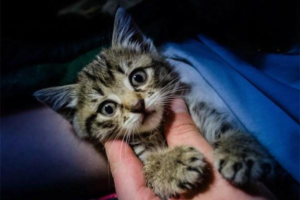
How Is Cat Asthma Diagnosed?
Cat asthma cannot be judged by symptoms alone — it needs X-rays, blood counts, and heartworm testing. Learn the diagnostic steps and the main treatments: oxygen, steroids, bronchodilators, antibiotics, and inhalers.

Damp Weather as a Cause of Cat Eczema
Just like people, cats get eczema in damp weather. Lesions appear on the neck, back, belly, and paws, with itching and weeping sores. Treat by removing the cause, stopping self-trauma, and using zinc-oxide ointment plus an antihistamine.

What Medicine Treats Eczema in Cats?
Cat eczema (acute moist dermatitis) is treated by removing the cause and stopping self-trauma. Acute cases may need antihistamines; chronic cases use zinc-oxide ointment plus an oral antihistamine. Keep the cat's space dry to prevent it.