Search Results
810 results for “cat space”
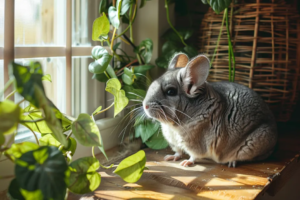
Symptoms of a Hamster Before It Dies of Old Age
Before dying of old age, a hamster typically shows lowered activity, poorer appetite, weight loss, lethargy, rough and messy coat, increased shedding, declining vision, and general weakness. Near death, physical changes include weakness, inability to stand, rapid breathing, fast heartbeat, and dropping body temperature. Most hamsters live only 1–2 years; to slow aging, provide a warm, comfortable home and balanced nutrition, and watch for changes daily.
Bringing Home a Stray Kitten? A Complete New-Owner Checklist
A found kitten needs a vet check and a 1–2 week quarantine before meeting resident pets, then a schedule of deworming, FVRCP + rabies vaccines, and neutering. Set up a quiet space with hideaways, feed by age (formula → softened kibble → kitten food), and start litter and socialization training early. Patience beats force at every step.

Can Kennel Cough Heal on Its Own?
Kennel cough rarely clears on its own - its many pathogens (viruses, bacteria, mycoplasma) don't give lasting immunity, so it recurs and can worsen. At the first cough or runny nose, see a vet for targeted treatment and isolate other pets.
Is the Toy Poodle Really Easy to Keep? Don’t Be Fooled
Toy Poodles are smart, cute, low-odor, and light shedders, so they're often pitched as the perfect beginner dog. But they come with real drawbacks: fragile bones prone to patellar luxation, a tendency to mount and bark, stubborn tear stains, sensitive stomachs, and ear infections. Know the full picture before you bring one home.
45 Essential Tips Every First-Time Dog Owner Should Know
Bringing a dog home is a decade-plus commitment. This guide packs 45 must-know basics for new owners — from pre-arrival prep, feeding, and vaccines to grooming, deworming, and behavior training — so you can keep your dog healthy and avoid the common mistakes that cause illness, fear, or bad habits.

Think Twice Before Getting a Chow Chow — Unless You Can Live With These Traits
Chow Chows are an ancient, lion-coated breed that is clean, quiet, and loyal, but they are far from easy to keep. Their stubborn independence makes training and walks a challenge, and as a short-nosed breed they overheat easily, drool, snore, and shed heavily while needing costly, careful grooming. They suit calm, experienced owners with patience, space, and budget — not first-time dog parents seduced by the cute 'grumpy' face.

Why Do Rabbits Get Ear Mites?
Rabbits usually pick up ear mites from damp, unsanitary living conditions and weak immunity. Keep the hutch clean and dry, check the ears often, and see a vet at the first sign of head-shaking, scratching, or discharge.
Which pets are suitable for home and stay clean?
Rabbits, cats, turtles, ornamental fish and hamsters are all suitable, fairly clean home pets. Rabbits and hamsters are small and quiet, so as long as you clean their droppings daily they stay odor-free. Cats groom themselves and use a litter box, though long-haired cats need regular brushing. Turtles and fish are clean, pretty and need little space.
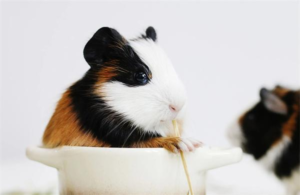
Common Guinea Pig Diseases and Their Symptoms
Guinea pigs commonly suffer digestive troubles (diarrhea, constipation, gut parasites), respiratory infections (pneumonia, bronchitis), skin disease from bacteria, fungus, or external parasites, and urinary issues (cystitis, nephritis). Good diet, clean housing, checkups, and prevention keep them healthy.

What to Do About Eczema in Dogs
If your dog develops eczema, take it to a vet to confirm the cause, then treat with vet-recommended topical and oral medication such as fluocinonide or betamethasone cream and dexamethasone or prednisone tablets. Support healing with skin hygiene, a hypoallergenic diet, an Elizabethan collar, and a clean, low-allergen environment.